

A lot of people assume gaming is just a way to waste time. I used to hear that all the time — “Stop playing games and do something productive.”
But the funny thing is, the internet has changed the rules completely. These days, games are not just entertainment. For some people, they’ve quietly become a source of online income.
Once you start exploring the online money space, you’ll notice something interesting. There are people making money doing all kinds of simple digital tasks — some even Get Paid to Watch Ads on reward platforms.
So when you realize that companies are willing to pay for attention and engagement, it suddenly makes sense that gaming can also become a monetizable activity.
I remember the first time I came across this idea years ago. At first I thought it sounded a bit ridiculous. Playing games and earning money? Really? But the more I looked into it, the more examples I saw — competitive gamers winning tournaments, streamers earning donations, and players selling in-game assets for real cash.
The same thing happens with other online micro-tasks. Some platforms literally allow users to Make Money by Watching Videos or testing apps. Gaming just happens to be one of the most entertaining versions of that model. Instead of watching a boring ad or completing a survey, you’re actually playing something you might enjoy.
So in this guide, I’m going to break down several real ways people earn money from games today. Some methods are small side-income opportunities, others can grow into serious online businesses. If you’ve ever wondered whether gaming can actually make money, you’re about to see how the system really works.
Play-to-Earn (P2E) Blockchain Games
Over the past few years, Play-to-Earn (P2E) games exploded in popularity. The idea is simple: you play a game, earn crypto tokens or NFTs inside the game, and then convert them into real money like USDT or cash.
When I first heard about this model, I thought it sounded crazy — getting paid to play games? But once blockchain games started gaining traction, a lot of people realized there was real money involved.
Most P2E games follow a similar structure. You complete in-game missions to earn tokens, level up characters or monsters to obtain NFTs, and then sell those digital assets on a marketplace.
Some players make money selling rare equipment, others flip high-level game characters, and some even rent out NFT characters to other players who want to farm rewards. In short, the game economy starts to look a lot like a small digital marketplace.
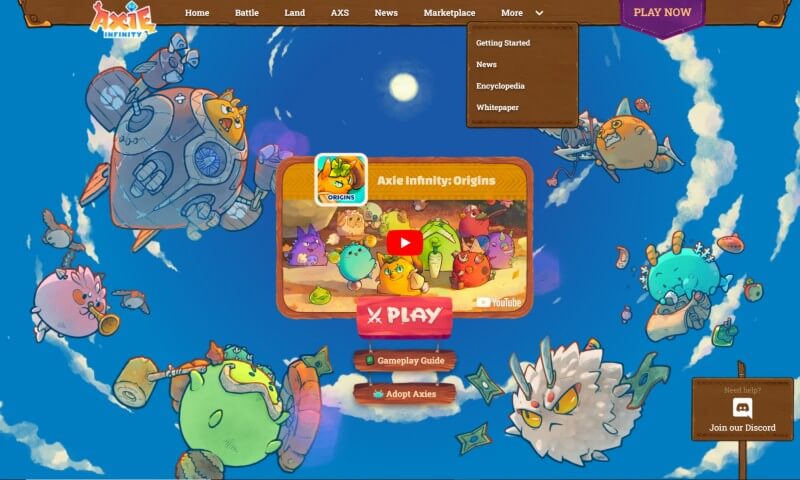
Several well-known platforms helped push this trend into the spotlight. Games like Axie Infinity, The Sandbox, Decentraland, and Gods Unchained became some of the most talked-about P2E projects. During the early hype cycle, players were literally earning tokens just by grinding the game daily. For a while, it almost felt like a strange mix between gaming and crypto investing.
Now let’s be honest. Early adopters made the real money. I’ve seen stories online of players making $200 to $1000 a month just playing games like Axie Infinity during the peak. Some even treated it like a full-time job. But as more people joined, competition increased and token rewards dropped. Today the profits are much smaller, and many P2E games struggle to keep their economies stable.
That said, the concept itself hasn’t disappeared. The idea of owning digital assets inside games — and being able to trade them for real money — is still very attractive. If blockchain gaming continues to evolve, we might see a second wave of Play-to-Earn models that are more sustainable than the first generation.
Game Testing
Not many people realize this, but game companies constantly need real players to test their games before launch. I’m not talking about professional QA teams inside big studios — I mean regular players like you and me.
The basic idea is simple: you play the game, record your experience, report bugs or confusing gameplay mechanics, and you get paid for the feedback.
A typical test usually involves a few simple tasks. Sometimes they want you to look for bugs — broken buttons, crashes, weird game physics.
Other times they’re more interested in gameplay feedback: Is the tutorial confusing? Are the controls intuitive? Is the difficulty balanced? In many cases you’ll also be asked to record your screen while playing and speak your thoughts out loud so developers can understand how players actually experience the game.
I remember reading about a guy on Reddit who did game testing in his spare time. Nothing crazy — maybe a few tests per week. Most tests paid somewhere between $5 and $20 depending on how long they took. A quick 10-minute test might pay $5, while a longer session with screen recording could pay $15 or $20.
It’s not life-changing money, but honestly it’s pretty decent for something that basically involves playing games.
If you want to try this, there are a few platforms where game testing opportunities show up regularly.
UserTesting usually pays about $10 per test. PlaytestCloud runs mobile game tests that can pay around $9 to $20. BetaFamily focuses more on mobile app feedback and often pays $10 to $15. There’s also GameTester.gg, where some tests pay between $5 and $20 depending on the project.
One thing you’ll quickly notice is that this isn’t “sit back and casually play games” money. Developers want real feedback. If you just click randomly and submit a lazy report, you probably won’t get invited back. But if you give thoughtful feedback and actually explain what works and what sucks, platforms tend to send you more testing opportunities over time.
Skill-Based Gaming
Now this one is a completely different beast compared to casual reward apps. Skill-based gaming is basically competitive gaming where players compete against each other for real money prizes.
In simple terms, two players enter a match, they play a game, and the winner takes the cash. No grinding tokens, no complicated crypto mechanics — just pure skill.
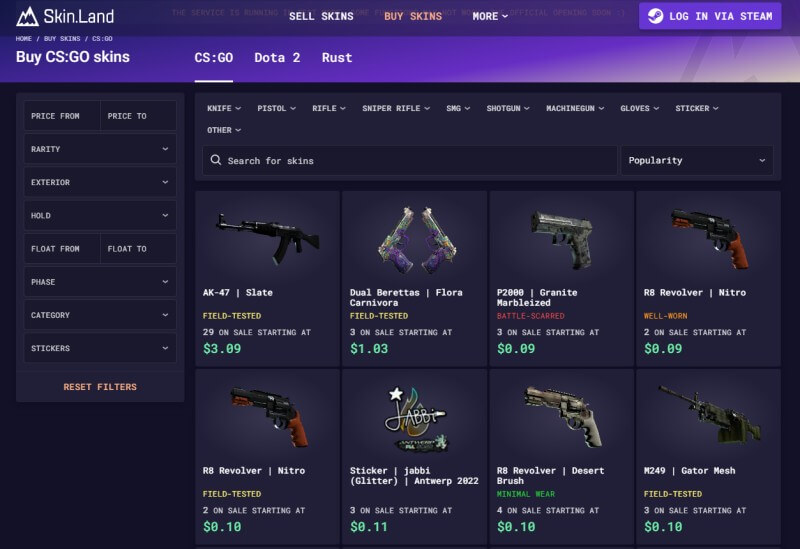
You’ll find this model across a lot of different game types. Some platforms focus on card games and puzzle games, others run competitive shooters or sports titles. I’ve seen tournaments for everything from classic solitaire-style games to competitive Call of Duty matches.
The common pattern is simple: entry fee goes into a prize pool, and the best players walk away with the money.
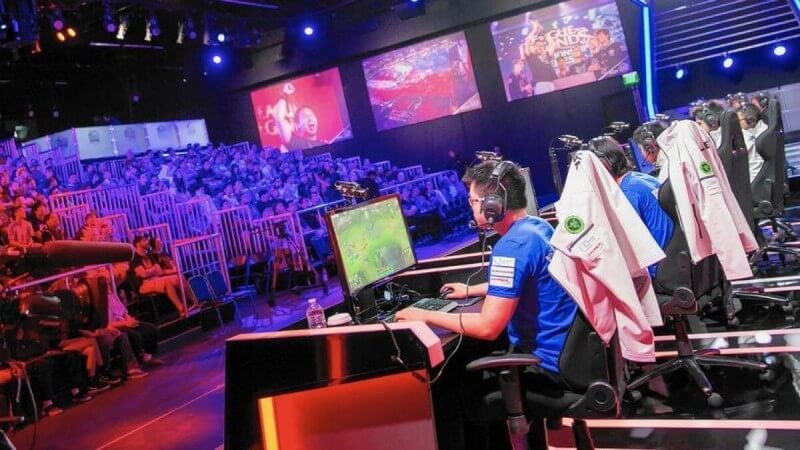
A few platforms dominate this space. Skillz is probably the biggest competitive gaming network in the world, hosting thousands of mobile skill games. WorldWinner is more focused on classic skill games like bingo, solitaire, and puzzle competitions. Then you have platforms like GamerSaloon and Players Lounge, where players compete in esports titles like FIFA, Madden, or Call of Duty.
I’ve seen some pretty interesting stories around this model. A friend of mine in college used to play NBA 2K tournaments online. Nothing crazy, just a few matches after class. Some weeks he’d lose money, other weeks he’d win $50 or $100 if he had a good streak. The really skilled players treat it almost like a side hustle, jumping between tournaments and stacking small wins.
If you’re actually good at competitive games, the earnings can add up. Skilled players can realistically make anywhere from $100 to $2000 per month depending on how active they are. But let’s be real — this isn’t easy money. If you suck at the game, you’re basically just donating entry fees to better players.
Play Games for Rewards
If you’re completely new to making money with games, this is probably the easiest place to start.
I’m talking about those reward apps where you play mobile games, earn points, and then exchange those points for cash or gift cards. It’s not some complicated system. The formula is simple: play games → earn points → redeem rewards.
Most of these platforms partner with mobile game developers who want more users. So when you download a game, reach certain levels, or play for a certain amount of time, the platform rewards you with points.
Those points can later be converted into PayPal cash, crypto, or gift cards like Amazon or Google Play. Basically, you’re getting paid small amounts for trying new games.
A few apps dominate this space. Mistplay is one of the most popular ones and usually pays through gift cards. Swagbucks and InboxDollars are well-known reward platforms that allow PayPal withdrawals. Freecash is another interesting one because it offers multiple payout options including crypto and PayPal. Then there’s Rewarded Play, which also focuses heavily on gift card rewards.
I’ve seen people on Reddit who treat these apps like a small side hobby. For example, someone might play a few games while watching Netflix in the evening. Over time those points add up and they cash out a $10 or $20 gift card.
It’s not exciting money, but if you’re already playing mobile games anyway, it feels like getting paid for something you were going to do regardless.
Realistically, though, this isn’t going to replace a full-time income. Most users end up making somewhere between $10 and $100 per month depending on how active they are. So think of it as coffee money, not rent money.
Game Coaching / Boosting
Now here’s one of the most stable ways people make money with games. Instead of grinding for tokens or competing in tournaments, you simply help other players get better. Sounds obvious, right? But the demand for this is huge.
A lot of gamers want to rank up faster, learn advanced strategies, or just play with someone who knows what they’re doing. That’s where coaching and boosting come in.
There are several ways people make money in this space. Some players offer coaching sessions where they teach game mechanics, strategy, and positioning. Others focus on boosting services — basically logging into a client’s account and pushing their rank higher. Then you have casual “carry” services where skilled players join matches and help customers win games.
And of course there’s paid gaming companionship, where people simply hire someone to play together.
I’ve seen this model work surprisingly well. A friend of mine used to coach League of Legends players during weekends. Nothing fancy — he’d jump on Discord, watch their gameplay, and explain what they were doing wrong. He charged about $25 per hour and usually had a few clients every week. It wasn’t a full-time income, but it easily covered his monthly gaming expenses.
If you want to offer services like this, there are several platforms where players actively look for coaches. Fiverr is one of the easiest places to start, where gigs usually range from $5 to $100 depending on the service. GamerSensei focuses specifically on professional coaching and often charges $20 to $80 per hour. Metafy is another big platform where high-level players can charge anywhere from $30 to $150 per hour. EPAL is more focused on gaming companions and team play.
The income potential here can actually be pretty solid if you build a reputation. Professional boosters and coaches often make between $500 and $3000 per month. But let’s be honest — if you’re not good at the game, nobody’s paying you for advice. In this business, skill is the product.
Trading In-Game Assets
A lot of players don’t actually make money by playing games in the traditional sense. Instead, they treat games like digital marketplaces. The idea is pretty simple: build valuable in-game assets and sell them to other players who don’t want to spend the time grinding.
I’ve seen this happen in almost every big online game — someone spends weeks building an account, and someone else comes along and buys it instantly.
There are several ways people profit from this. Some players focus on leveling up accounts and selling them once they reach a high rank. Others farm rare equipment or skins that collectors want. Then you have players who grind in-game currency or gold and sell it to players who want to skip the boring grind. In many MMO-style games, the internal economy basically becomes a real-world trading market.
There are also dedicated marketplaces built specifically for this kind of trading. PlayerAuctions is one of the biggest platforms where people buy and sell entire gaming accounts. G2G is widely used for trading in-game gold and virtual currency. EpicNPC operates more like a forum marketplace where players negotiate deals directly. And Gameflip is another popular site where players sell skins, digital items, and other game assets.
I once saw a guy on a gaming forum who flipped gaming accounts like it was a small business. He’d buy low-level accounts, grind them to a higher rank over a few weeks, then sell them for a profit.
In popular games like World of Warcraft or competitive shooters, a well-developed account can sell anywhere from $50 to several thousand dollars depending on the rarity of the items and the ranking.
Of course, not every game allows this officially, and sometimes there are risks involved. But the reality is that millions of dollars worth of virtual items change hands every year. Once you realize how big these game economies are, it starts to make sense why some players treat it like a trading business rather than just a hobby.
Game Content Creation
If we’re talking about long-term money, this is honestly one of the best models in the gaming world. Instead of earning a few dollars here and there from tasks or matches, you build an audience around your gaming content.
Once you have an audience, the money opportunities start stacking up — ads, sponsorships, donations, subscriptions. The game itself becomes the content, and the content becomes the business.
There are many types of gaming content people create. Some creators focus on strategy guides and tutorials where they explain how to beat bosses or optimize builds. Others do live gameplay streams where viewers watch them play in real time. Then you have the entertainment side — funny gaming clips, rage moments, weird bugs, crazy highlights. And of course there are game reviews where creators break down whether a game is worth buying.
The biggest platforms for this kind of content are pretty obvious.
YouTube is still the king when it comes to long-form gaming videos and earns money mainly through ad revenue and sponsorships. Twitch is the main platform for livestreaming, where viewers can donate or subscribe. TikTok has become huge for short gaming clips, and some creators monetize through creator funds and brand deals. Kick is another newer streaming platform that has been attracting a lot of streamers recently.
I’ve watched this space for years, and the income range can be pretty wild. Small creators might earn somewhere between $100 and $1000 per month once they build a small audience. But the big gaming channels? Those guys can easily pull in $10,000 a month or more from ads, sponsors, and fan support.
The funny thing is, a lot of gaming creators didn’t start with the goal of making money. They just enjoyed playing games and sharing it online. But once the audience grows, the same hobby can turn into a full-blown career. That’s the part many people underestimate.
Game Streaming Donations
Game streaming is a little different from normal content creation. Instead of carefully editing videos and uploading them later, everything happens live.
You turn on your stream, start playing, and people watch you in real time. Some viewers come for the gameplay, others just want to hang out and chat. And once you build a small audience, the donations start showing up.
The main platforms for this are Twitch, YouTube Live, Kick, and Trovo. Twitch has been the king of game streaming for years, but YouTube Live is also huge because it connects directly with YouTube audiences. Kick is a newer platform that’s been attracting a lot of streamers recently because of better revenue sharing. Trovo is smaller, but some streamers still use it as an extra streaming platform.
There are several ways streamers make money while playing games live. Viewers can send direct donations during a stream. Many platforms also offer paid subscriptions where fans pay a monthly fee to support their favorite streamer.
On top of that, once a channel grows, advertising revenue and brand sponsorships start appearing. Some streamers even get paid to promote new games during their live streams.
I’ve seen small streamers who only had maybe 20 or 30 regular viewers but still made decent side income. A few donations during a stream, a handful of subscribers each month — it adds up slowly. Then there are the big streamers pulling thousands of viewers every night. Those guys are basically running a small entertainment business from their bedroom.
The tricky part is consistency. Streaming once in a while usually doesn’t work. The people who succeed are the ones showing up live several days a week, building a community over time. It’s less about the game itself and more about whether people enjoy hanging out in your stream.
Game Affiliate Marketing
This one is actually one of the smartest ways to make money from games, especially if you don’t want to spend hours grinding or competing. A lot of game companies run affiliate programs, which means they pay you for bringing new players to their games.
The concept is dead simple: you share a referral link, someone signs up through your link, and you earn a commission.
The commission structure is usually CPA-based. That means you get paid for each new player who registers or installs the game through your link.
Depending on the game and the platform, payouts usually range from $1 to $20 per registration. It might not sound like much at first, but once you start sending consistent traffic, those small commissions stack up surprisingly fast.
There are several ways people promote these offers. Some creators run YouTube channels focused on gaming tips or new game recommendations. Others build gaming guide websites where they publish tutorials and reviews for popular titles.
I’ve also seen people grow Discord communities around specific games and then share affiliate links with their audience. Once you have an engaged gaming community, promoting a new game becomes pretty natural.
To find these offers, you usually join affiliate networks that work with game companies. Platforms like CJ Affiliate and Impact host many gaming-related campaigns. Admitad also features a lot of mobile game promotions. Then you have networks like MaxBounty that focus more on CPA-style gaming offers where you get paid for installs or registrations.
I personally like this model because you’re not limited by your own gaming time. Once the content is online — a video, a review article, a community post — it can keep bringing in new players for months or even years. That’s the difference between trading your time for money and building something that keeps generating commissions in the background.
Idle Gaming and Passive Rewards
Not everyone wants to actively grind games for hours. Some people prefer a much lazier approach — idle gaming.
The idea is simple: you run certain apps or games in the background, and they automatically generate small rewards over time. You’re basically letting the system do the work while your device stays online.
I remember the first time I heard about this model, I thought it sounded a little ridiculous. Just leave an app running and get paid? But once you look deeper, it actually makes sense. Some platforms reward users for keeping apps open, completing automated tasks, or participating in simple idle-style games where progress continues even when you’re not actively playing.
There are a few platforms where this kind of setup shows up. Idle-Empire is one of the better-known reward sites where users can complete tasks, run offers, or earn points through simple game interactions. Honeygain is slightly different because it shares internet bandwidth and sometimes includes mini-game rewards. Freecash also offers certain idle-style tasks where you can earn points over time.
I’ve seen people treat this almost like background income. For example, someone might run these apps on an old laptop or spare phone while they’re doing something else. The rewards accumulate slowly, but after a while they cash out small payouts through PayPal or crypto.
Let’s be real though — this is not going to make you rich. Most of the time it’s pocket money at best. But if you already have devices sitting around doing nothing, letting them earn a few extra dollars here and there isn’t the worst idea.
Final Thoughts
If you look at all these methods together, you’ll notice something interesting. Making money with games isn’t just one thing.
Some people compete in tournaments. Some trade in-game assets. Others build YouTube channels or promote games through affiliate links. And a few just run reward apps in the background while doing something else.
The gaming world has quietly turned into a giant digital economy.
But here’s the honest part that many articles don’t say. Most of these methods won’t make you rich overnight. A lot of the “play games and get rich” stories online are exaggerated. In reality, many people start by making small amounts — maybe $10 here, $50 there.
The real difference comes when someone finds a method that fits their skills and sticks with it long enough to get good.
I’ve watched the online gaming space evolve for years, and one thing keeps showing up again and again. The people who make serious money usually aren’t just playing games for fun anymore. They’re thinking like creators, traders, or entrepreneurs. They look at games not only as entertainment, but as platforms where attention, skill, and digital assets can turn into income.
So if you’re thinking about trying this, start simple. Test a few methods. Maybe try a reward app, maybe upload a gaming video, maybe experiment with affiliate links. You’ll quickly figure out what feels natural and what doesn’t. Everyone’s path is different.
And who knows — what starts as a hobby after work might slowly turn into a small side income. That’s how a lot of online money stories begin.
Frequently Asked Questions
Can you really make money playing games online?
Yes, but the amount depends on the method you choose.
Some people make a little extra cash through reward apps or game testing, while others build bigger income streams through streaming, affiliate marketing, coaching, or selling in-game assets.
The money is real, but the easy-money fantasy is usually exaggerated.
What is the easiest way for beginners to start?
For most beginners, reward apps and game testing are the simplest starting points.
You do not need a big audience, advanced skills, or expensive equipment. You just sign up, complete tasks, test games, and earn small payouts.
It will not make you rich, but it is a low-risk way to understand how this space works.
Which method makes the most money long term?
In my opinion, game content creation and game affiliate marketing usually have the best long-term upside.
The reason is simple. You are not only earning from your own play time. You are building content, traffic, and audience that can keep generating income over time. That is a very different model from getting paid once for one task.
Do I need to be very good at games to make money?
Not always.
If you want to earn from coaching, boosting, or competitive matches, then yes, skill matters a lot.
But if you are doing game testing, affiliate marketing, streaming for entertainment, or reward-based apps, you do not have to be a top-level player. In some cases, personality, consistency, or content skills matter more than raw gaming skill.
How much money can a beginner realistically make?
A beginner will usually start small.
It might be $10 to $50 from reward apps, or maybe $20 to $100 from simple testing opportunities. If someone sticks with content creation, affiliate promotion, or coaching, the income can grow much more over time.
But in the beginning, most people are making side-income money, not full-time money.
Are there any risks involved?
Yes. Some methods are safer than others.
Cash apps and testing platforms are usually low risk, but account trading, boosting, or certain game asset sales may break platform rules.
You also need to watch out for fake websites, scam offers, and platforms that delay payouts. That is why it is important to check the reputation of any site before spending too much time on it.
Do I need money to get started?
In many cases, no.
Reward apps, game testing, streaming, and affiliate marketing can often be started with little or no money. However, some areas may require a better PC, a microphone, faster internet, or time investment to get real results. So the barrier is usually lower than people think, but it is not always completely free.
Is this a full-time income or just side hustle money?
For most people, it starts as side hustle money. That is just the truth.
A few people turn gaming-related income into a full-time business, especially through content, communities, coaching, or affiliate traffic. But most beginners should think of it as an extra income stream first, not a guaranteed career from day one.