

Most of us spend a ridiculous amount of time watching videos every day. You open YouTube for “just five minutes,” and suddenly it’s an hour later. TikTok, Netflix, random clips on the internet — the time disappears fast.
At some point I started wondering: if people are spending so many hours watching content anyway, is there a way to turn a tiny piece of that time into money?
When I first started exploring ways to make money online, I ran into all kinds of strange side hustles. Some of them sounded almost too easy.
I remember seeing people talking about things like Get Paid to Listen to Music, testing mobile apps, or even watching advertisements for rewards.
At first I thought most of these ideas were probably nonsense. But after digging deeper, I realized there’s actually an entire micro-economy built around user attention.
You’ll find companies that pay people to test videos, watch ads, review content, or simply interact with media. The internet runs on attention. Brands, advertisers, and marketing agencies are constantly trying to understand how real people react to videos. That’s why some platforms are willing to pay small rewards just for participation.
Around the same time I also discovered other unusual ways people monetize their opinions online. For example, some folks make money by Doing Amazon Reviews or testing products before they launch.
The logic is pretty similar — companies need feedback, and regular users get paid for providing it. Watching videos is just another piece of that same ecosystem.

In this guide, I’m going to break down several legitimate ways people make money by watching videos online. Some of them pay small rewards, others pay surprisingly well depending on the task. Either way, if you’re already spending hours watching content every day, you might as well learn how to turn a bit of that time into extra cash.
Get Paid to Watch Videos
The first time I heard that people could actually get paid to watch videos, I honestly thought it sounded like some kind of internet scam. I mean, who pays someone just to sit there and watch random videos, right? But after digging into the space for a while, I realized there’s actually a whole small economy built around this.
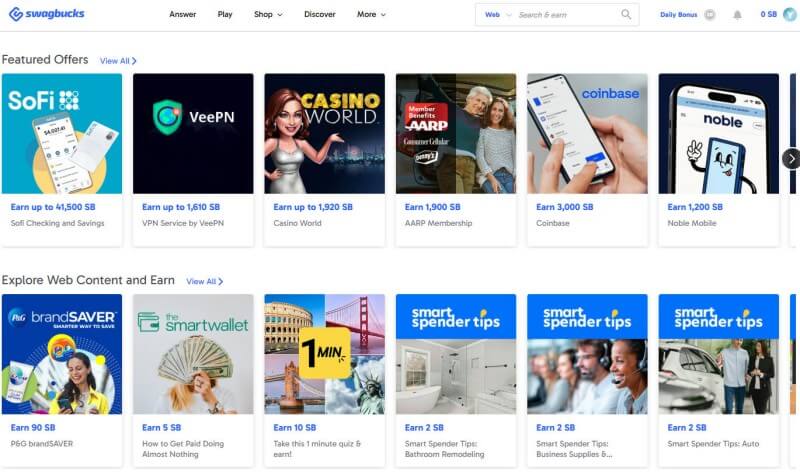
Platforms need real users to watch ads, trailers, and promotional clips so advertisers can measure engagement. That’s where you come in.
Most of these opportunities live on what people call GPT sites — which stands for “Get Paid To.”
The idea is simple. Companies upload video playlists that usually contain ads, sponsored content, or short entertainment clips. You press play, let the videos run, and the platform rewards you with points or small cash payments.
It’s not glamorous work, but it’s incredibly easy. You don’t need skills, experience, or even full attention most of the time.
I remember a friend of mine from Texas who tested this out during a slow month. He basically had a second laptop running next to him while working from home. Every few hours he’d restart the playlist on a rewards site and let the videos play in the background. By the end of the month he had pulled in around $60 in PayPal cash. Not life-changing money, obviously, but he joked that it paid for his Netflix and pizza nights.
Here’s the reality though — and I’ll just say it straight. Watching videos online won’t make you rich.
If someone promises you $100 a day doing this, they’re probably full of crap. But as a small side activity? It works. Think of it more like passive pocket money. You run the videos while cooking dinner, answering emails, or scrolling your phone, and slowly those tiny rewards add up.
So if you’re just getting started with making money online, this is one of the lowest-barrier entry points you’ll find. No complicated setup. No investment. You sign up, press play, and let the videos roll. It’s not exciting, but sometimes the simplest internet money is the easiest money.
Watch Ads Apps
If you spend any time scrolling the app store, you’ll notice there are dozens of apps promising you money just for watching ads or short videos.
The first time I tested one of these apps, I honestly didn’t expect much. But after using a few of them for a couple of weeks, I realized something interesting — they’re basically mobile versions of the same “watch videos for rewards” model, just packaged inside an app that feels more like TikTok or Instagram.
Here’s how most of these apps actually work. You open the app, scroll through short clips, or watch a 15–30 second ad. Every video gives you a tiny amount of points or coins. Once you collect enough, you can exchange them for PayPal cash or gift cards.
It’s simple enough that you can do it while waiting in line for coffee or killing time on the couch. No skills, no setup, nothing complicated.
You’ll see apps like ClipClaps, CashKarma, and BuzzBreak doing this. A lot of them mix entertainment with advertising, which is kind of clever.
One minute you’re watching a funny cat video, the next minute there’s an ad for some mobile game. The platform gets ad revenue, and they throw a small slice of that money back to users. That’s the whole business model right there.
Now let me be straight with you. The earnings from these apps are small — usually a few dollars here and there. But the trick people use is stacking multiple apps.
I’ve seen people on Reddit running three or four of these apps on their phone during downtime. Over a month that might turn into $20–$40 without really trying. It’s not impressive money, but for something you do while half-asleep on the couch, it’s honestly not terrible.
So if someone asks me whether these “watch ads apps” are legit, my answer is yes — but only if you treat them like background side money. Don’t expect miracles. Just think of it as getting paid a little for the time you were already wasting on your phone anyway.
Video Review Platforms
Now this next method is a little different from just sitting there watching ads. Some platforms actually pay you to watch videos and give feedback.
In other words, companies want real people to watch a product demo, a website tutorial, or even a marketing video, and then explain what they think. The first time I tried this kind of platform, I realized pretty quickly that the money was way better than those passive video apps.
The way it usually works is pretty simple. A company uploads a short test — maybe a new website interface or an advertising video. You watch it while recording your screen and voice, then explain what you notice. Sometimes they’ll ask things like “What confused you?” or “Would you click this button?” You’re basically acting like a regular user while talking through your thoughts.
One platform that people talk about a lot is UserTesting. I remember reading a thread on Reddit where someone said they were doing two or three tests a week and making around $40 to $60. Each test usually takes 10–20 minutes.
That’s honestly not bad for something you can do from your couch with a laptop and a headset.
But there’s one thing people should know before jumping in. These tests don’t show up constantly.
Sometimes you log in and there’s nothing available. Other times a test appears and it gets taken in two minutes because hundreds of people are trying to grab it. So it’s not exactly stable income, but when a test pops up, the pay per minute is actually pretty decent.
Personally, I think video review platforms are one of those “hidden gem” side hustles online. You’re not grinding for pennies like with some reward apps. Instead, you’re getting paid for your opinion. And honestly, companies are willing to pay because real user feedback is incredibly valuable for them.
Netflix Tagger
Every once in a while you’ll hear about what sounds like the dream job of the internet — getting paid to watch Netflix.
I remember the first time I saw people talking about a “Netflix Tagger” job online. My first reaction was basically: no way this is real. Getting paid to watch movies all day sounds like something your lazy cousin would invent. But surprisingly, the job actually exists.
A Netflix Tagger’s job is pretty straightforward. They watch movies, TV shows, and documentaries, then assign metadata tags to the content. Things like genre, tone, mood, storyline themes, and character types. For example, a show might get tagged as “dark comedy,” “revenge plot,” or “strong female lead.” Those tags help Netflix recommend the right content to the right viewers.
What a lot of people don’t realize is that this isn’t some casual side gig you can sign up for tonight. Netflix hires these roles under titles like “Editorial Analyst” or “Content Analyst.”
In other words, they’re real jobs inside the company. You usually need experience in media, film analysis, or content production. So yeah, it’s not exactly the same as watching random videos on a reward site.
I once read an interview with someone who had worked in this type of role. He said the funniest part was that people thought he just watched TV all day. In reality, he had to pause scenes, take notes, analyze themes, and tag hundreds of details inside each piece of content. So it’s still work — just a very cool kind of work if you happen to love movies.
So can you actually make money watching Netflix? Technically yes. But here’s the honest answer: those jobs are rare and competitive. Still, it’s a fascinating example of how watching video content can turn into a real career when companies need humans to organize massive libraries of media.
Watch Trailers
Movie trailers are basically the internet’s version of advertising for Hollywood. Every new film coming out needs millions of people to watch those short preview clips.
What a lot of people don’t realize is that some platforms actually reward users for watching these trailers. The reason is simple — studios want attention, platforms want engagement, and users get a small slice of that marketing budget.
The process is usually pretty straightforward. You log into a rewards platform, go to the movie or entertainment section, and you’ll see a playlist of trailers. These can be anything from upcoming Netflix shows to big blockbuster movies. You press play, let the trailer run for a minute or two, and the platform gives you points or small cash rewards.
Years ago I remember seeing a guy on a forum talking about how he used to run these trailer playlists while working night shifts at a security desk.
His job was mostly just sitting there anyway, so he let the videos play on a tablet. At the end of the month he’d convert the points into Amazon gift cards. Nothing crazy, but it covered some groceries.
Here’s the catch though — the payouts are small. We’re talking pennies per trailer most of the time. That’s why most people treat it as a background activity rather than a serious income stream. You watch a few trailers while drinking coffee, maybe earn a couple of dollars by the end of the week. Not glamorous, but it works.
And honestly, if you already enjoy movie previews, this is probably one of the easiest ways to squeeze a little extra value out of something you were going to watch anyway. Hollywood spends billions on marketing every year — sometimes a tiny bit of that money trickles down to viewers like us.
TikTok / YouTube Watch Programs
Now here’s something a lot of people don’t realize. On platforms like TikTok and YouTube, there are actually small ecosystems built around paying users to watch and interact with videos.
I’m not talking about YouTube ad revenue for creators — this is different. I’m talking about promotion tasks where brands or marketing agencies want their videos watched, liked, and sometimes commented on.
The logic behind it is pretty simple. When a new video gets early engagement, the algorithm is more likely to push it to a wider audience.
So marketers sometimes use task platforms where real users watch a video, leave a like, maybe follow the channel, and occasionally drop a comment. In return, the user gets a small payment or points that can be converted to cash.
I once saw a guy explaining this on a marketing forum. He said he was doing small YouTube engagement tasks during his commute every morning.
Nothing fancy — watch a video, hit the like button, maybe subscribe if required. Each task paid something like $0.20 or $0.30. That doesn’t sound like much, but if you stack 20 or 30 of them, it adds up to a few extra dollars a day.
Of course, this kind of work usually happens through third-party task platforms rather than directly on TikTok or YouTube themselves. Websites that offer micro-tasks will list video engagement jobs along with things like app downloads or social media follows. You pick the tasks you want, complete them, and move on to the next one.
Is this the most exciting way to make money online? Definitely not. But if you’re already spending half your day scrolling TikTok anyway — and let’s be honest, most of us do — turning a few of those minutes into small paid tasks isn’t the worst idea in the world.
Crypto Video Platforms
Around the time cryptocurrency started getting popular, a bunch of new video platforms popped up with a pretty interesting idea — instead of paying users in dollars, they would reward people with crypto tokens for watching videos.
The first time I came across one of these sites, I remember thinking it sounded kind of weird. But after looking into it, the model actually made sense.
Here’s the basic concept. These platforms host videos just like YouTube, but they run on blockchain-based reward systems.
When you watch content, engage with videos, or sometimes even upload your own clips, the platform distributes small amounts of cryptocurrency to users. It might be their native token or another crypto reward that can eventually be traded.
Platforms like Odysee are probably the best-known example. I remember a guy on a tech forum explaining that he used to let videos run while doing other work on his computer. Over a few months he accumulated a small stack of tokens. Later he converted them into about $80 worth of crypto. Not huge money, but considering he was basically just watching random tech videos, it wasn’t bad.
Of course, the value of these rewards depends heavily on the price of the token. One week it might be worth a few dollars, and another week the price drops and suddenly those rewards look pretty small. That’s the weird part about crypto-based platforms — your earnings can fluctuate depending on the market.
Still, if you’re already interested in cryptocurrency, these platforms can be a fun way to collect small amounts of digital assets while watching content online. Just don’t treat it like a guaranteed income stream. Think of it more like stacking a little crypto on the side while you browse videos.
Video Market Research
Another way people get paid to watch videos online comes from something called market research.
Companies spend ridiculous amounts of money trying to figure out what customers actually think. So before launching a new product, ad campaign, or movie trailer, they’ll often show those videos to real people and ask for honest feedback. That’s where regular users like us come in.
The process usually looks like this: you sign up for a research panel, and occasionally they invite you to participate in a study. In many cases, the study involves watching a short video — maybe an advertisement, a product demo, or a promotional clip — and then answering questions about it.
Sometimes they’ll ask whether the ad made sense, whether you’d buy the product, or what part of the video caught your attention.
What surprised me the first time I looked into this space was the payout. Unlike those tiny reward apps that pay pennies, market research studies can pay real money.
I’ve seen surveys offering $10, $20, even $50 just for participating in a video feedback session. Of course, those opportunities don’t show up every day, but when they do, the pay per hour can actually be pretty solid.
Platforms like Respondent, User Interviews, and Pinecone Research are well-known for running these kinds of studies. A friend of mine once got invited to watch a series of product ads for a new energy drink brand. The entire session took about 30 minutes and paid $30. Not bad for basically sitting there watching ads and sharing your opinion.
At the end of the day, companies value real consumer reactions more than you might think. Marketing teams spend millions testing what works and what doesn’t.
So if you’re willing to watch a few videos and give honest feedback, sometimes that research budget ends up landing right in your PayPal account.
Final Thoughts
After digging into all these different methods, you’ll probably notice something pretty quickly. Yes, you can make money by watching videos, but the real question is how you approach it.
If you expect to sit on your couch, press play, and magically make $100 a day, you’re going to be disappointed. The internet doesn’t work like that.
What actually happens is much simpler. These platforms are part of the advertising and marketing ecosystem online. Companies need people to watch ads, test videos, and react to content. In exchange, they pay small amounts of money to real users. When you understand that basic logic, everything suddenly makes a lot more sense.
I’ve experimented with a lot of weird online side hustles over the years, and this one falls into the “easy but small” category.
You won’t quit your job doing this. But if you stack a few platforms together, run videos while you’re doing something else, or catch the occasional higher-paying research task, you can still squeeze some extra cash out of it.
The funny part is that most people already spend hours watching videos every day. TikTok, YouTube, Netflix — the time disappears fast. So sometimes the smarter move isn’t trying to work more hours online. It’s simply turning a tiny portion of the time you’re already wasting into something that pays a little.
And honestly, that’s how a lot of online income starts. Not with some crazy get-rich-quick trick, but with small experiments. Watching videos for rewards might not sound impressive, but it’s one of the easiest entry points into the world of making money online.
FAQ
Is it actually legit to make money by watching videos?
Yes, it can be legit — but you have to understand what you’re getting paid for. You’re not getting paid because the video is “valuable.” You’re getting paid because advertisers and research companies want your attention and feedback.
If a site claims you’ll make $100/day just watching random videos, that’s usually nonsense. Stick to well-known reward sites, user testing platforms, and market research panels.
How much money can I realistically earn?
Let me keep it real: most people earn pocket money, not rent money.
With basic “watch ads” apps and rewards sites, you might make a few dollars a day if you’re consistent.
The bigger payouts come from video feedback sessions, user testing, and market research — those can pay $10–$50 per session. The catch is they’re not available 24/7.
Do I need special skills or equipment?
For simple watch-and-earn apps, no. A phone is enough.
But for video review platforms (like usability testing), you’ll usually need a laptop/desktop, a stable internet connection, and sometimes a microphone because you’re talking through your thoughts. Nothing fancy, just be clear and honest.
Why do some platforms pay in points instead of cash?
Because points make it easier for platforms to control payouts and keep users engaged. It’s basically a gamified system.
You earn points, hit a minimum threshold, then redeem for PayPal or gift cards. Just make sure you check the cash-out minimum before you waste your time.
What are the biggest red flags to avoid?
Three big red flags: (1) you have to pay money to “unlock” video tasks, (2) the site promises crazy daily income, or (3) they ask for weird personal info that has nothing to do with payouts.
Also watch out for apps that drain your battery, spam your notifications, or force you to watch endless ads without tracking rewards properly.
How can I earn more from this without spending all day watching videos?
Stack smarter, not harder.
Use 2–3 platforms (don’t go crazy), and prioritize higher-paying tasks like video feedback and market research. Run low-paying video playlists only during dead time — commuting, cooking, waiting rooms, whatever.
The whole point is to monetize time you’d otherwise waste, not turn your life into an ad-watching marathon.