


A while ago, I started noticing the same question popping up everywhere online:
how can regular people actually make money on the internet? Not the fake “get rich overnight” stuff, but something real.
Something you can start without a huge budget or a complicated business plan. That curiosity is what led me to discover Whatnot, and honestly, the platform surprised me more than I expected.
If you’ve been searching for ways to Make Money Online for Beginners, you’ll quickly realize most guides repeat the same ideas — freelancing, blogging, affiliate marketing, and so on.
Those can work, sure, but they often take months before you see any real money. What caught my attention about Whatnot is that it’s much more immediate. You can literally open a live stream, start an auction, and see people bidding within minutes.
The first time I watched a Whatnot stream, I thought it was just another livestream shopping platform.
But after watching a few sellers run their shows, the whole thing clicked. It felt more like a mix of entertainment and commerce. People weren’t just buying stuff — they were hanging out, chatting, competing in auctions, and sometimes spending way more than they planned.
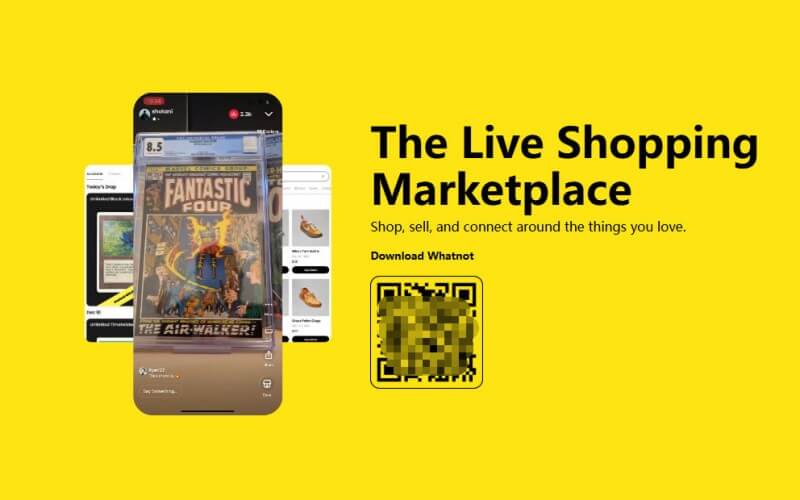
I’ve even seen people using the platform in ways I didn’t expect. Some sellers treat it as a full-time reselling business, while others just run a couple of streams per week as a side hustle. It’s especially interesting for people who need flexible work.
I’ve come across stories of Stay at Home Moms to Make Money by selling vintage clothes or collectibles during evening live streams after their kids go to bed.
So in this guide, I’m going to break down exactly how Whatnot works, how people are actually making money on the platform, and what steps you can take if you want to try it yourself. No hype, no magic tricks — just the practical side of how this marketplace really operates.
What Is Whatnot?
The first time I heard about Whatnot, I honestly thought it was just another random marketplace like eBay or Facebook Marketplace. But once I actually spent some time watching the platform, I realized it’s a completely different animal.
Whatnot is basically a live-stream shopping platform where people sell products in real time while viewers bid or buy instantly. Imagine mixing eBay auctions with Twitch-style live streaming — that’s pretty much the idea.
The platform launched in 2019 in the United States and grew insanely fast during the pandemic. Collectors, resellers, and even regular people started using it to sell things live on camera.
Instead of uploading a listing and waiting for buyers, sellers simply go live, show the product, start an auction, and the audience starts bidding. The whole process feels more like entertainment than traditional online shopping.
What surprised me the most was how engaged buyers are. You’ll see hundreds of people sitting in a live room watching someone open Pokémon card packs or selling sneakers one by one.
People are chatting, joking, bidding against each other — sometimes a $1 starting bid jumps to $100 in a minute. When you see that happen a few times, you realize this isn’t just selling stuff. It’s a show.
Another thing that makes Whatnot interesting is the type of products that dominate the platform. Collectibles are huge here — trading cards, sports cards, vintage toys, comics, sneakers, and limited edition items.
A friend of mine who flips sports cards told me some sellers run two-hour live shows and easily move $3,000–$10,000 worth of inventory. That’s not small money for a side hustle.
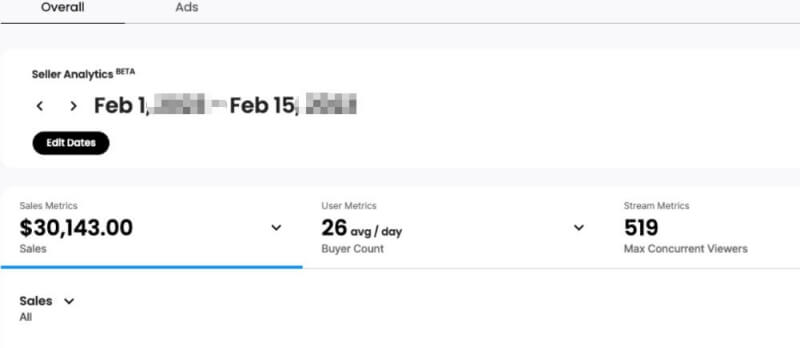
So if you’re thinking about making money online, Whatnot sits in a weird but powerful spot between entertainment and ecommerce. You’re not just listing products and hoping someone buys them. You’re building a live audience, creating urgency, and selling in real time. Once you understand that dynamic, the whole platform suddenly makes a lot more sense.
The Core Gameplay of Whatnot
If you spend even ten minutes inside Whatnot, you’ll quickly realize the platform runs on one simple engine: live auctions.
Sellers start a live stream, show an item on camera, and launch an auction that usually begins at $1. From there the audience starts bidding against each other in real time. Sometimes it ends in 10 seconds, sometimes people fight over it for a full minute. You’ll see the price jump like crazy, and that little adrenaline rush is exactly what keeps buyers glued to the screen.
But here’s the interesting part — the product itself is only half the story. What really drives sales is the energy of the show.
Some sellers act like auctioneers, talking fast, hyping the item, cracking jokes, calling out usernames in the chat.
I watched a sneaker seller once who sold almost $4,000 worth of shoes in one live session, and honestly the shoes weren’t even that rare. The guy was just insanely good at keeping the room excited.
Another popular mechanic is something called “mystery packs.”
Instead of showing exactly what buyers will get, the seller sells sealed packs with random items inside. Think of it like gambling but with collectibles. Some packs might contain a $5 card, some might contain a $200 card.
I’ve seen streams where people bought 20 or 30 packs in a row just chasing a rare pull. It sounds ridiculous until you watch it happen live.
There’s also a speed factor built into the system. Auctions are short — sometimes just 15 seconds. That means buyers don’t have much time to think. They either bid or miss the item. This creates urgency, and urgency is basically the secret sauce of Whatnot.
Traditional marketplaces are slow. Whatnot is fast, chaotic, and honestly a little addictive.
So when people ask how sellers actually make money on Whatnot, the answer isn’t just “sell stuff.” The real game is running a live show that keeps people entertained while they’re buying. If you understand that, you’re already thinking about the platform the right way.
3 Ways to Make Money on Whatnot
When people first discover Whatnot, they usually assume the platform only works if you already have inventory sitting in your garage. That’s not entirely true.
After spending some time watching different sellers and talking to a few people who actually make money there, I realized there are several ways to play the game. Some people treat it like a live garage sale, some treat it like a collectibles trading business, and others use it almost like a live affiliate store.
The interesting thing is that most sellers don’t stick to just one model. They mix them. A streamer might sell their own products, flip collectibles on the side, and occasionally promote products for another brand.
Once you understand these three approaches, the platform becomes much easier to figure out.
1. Live Selling Your Own Products
This is the most obvious method.
You go live, show your products on camera, and run auctions or direct sales. The items can be anything — sneakers, trading cards, vintage toys, comic books, even handmade stuff.
What matters more than the product itself is how you present it. Some sellers turn their streams into full-on entertainment shows.
I once watched a guy selling retro video games who kept yelling “next item, $1 start!” every 20 seconds. The chat went crazy and he moved hundreds of items in one session.
2. Flipping Collectibles
This is where things get interesting. Instead of creating products yourself, you buy underpriced collectibles and resell them during your live shows. Trading cards, sports cards, and limited-edition toys are perfect for this.
A friend of a friend buys Pokémon card collections from local Facebook groups, sorts the valuable ones, and auctions them on Whatnot. Sometimes he buys a bundle for $200 and ends up selling individual cards for $500 total.
It doesn’t work every time, but when it works, the margins can be pretty damn good.
3. Product Promotion and Reselling
Another approach is promoting other people’s products during your streams.
Some brands and wholesalers are willing to supply inventory or offer wholesale pricing to streamers who can move volume. In that case you’re basically acting like a live salesperson.
You don’t need to manufacture anything. Your job is simply to bring the audience and make the sale happen. A lot of fashion and sneaker sellers operate like this.
So when people ask if Whatnot is a legit way to make money online, my answer is simple: yes, but it’s not passive. You’re basically running a live show combined with a small trading business.
If you enjoy talking, selling, and interacting with people in real time, the platform can actually be pretty fun — and sometimes surprisingly profitable.
The 5 Most Profitable Niches on Whatnot
One thing I noticed pretty quickly after watching dozens of Whatnot streams is that not every product works on this platform.
Some categories barely get attention, while others turn into absolute bidding wars. If you scroll through the homepage long enough, a pattern becomes obvious — a few niches dominate almost all the money flowing through the platform.
And honestly, it makes sense. Whatnot works best for products that have collectors, scarcity, and emotional buyers. Stuff people feel excited about.
When viewers feel like they might miss out on something rare, they start bidding fast. That’s where the real money starts showing up.
Trading Card Games (TCG)
This is probably the biggest category on Whatnot.
Pokémon cards, Magic: The Gathering, Yu-Gi-Oh — you’ll see entire channels dedicated to opening packs live. Sellers rip open booster boxes on camera while viewers buy spots or bid on cards. Some rare pulls sell instantly for hundreds of dollars.
I once watched a stream where a single Pokémon card sold for over $800 within seconds. It was honestly insane.
Sports Cards
Sports cards are another huge market. Think NBA, NFL, MLB rookie cards, signed cards, graded cards.
Some sellers specialize in “box breaks,” where viewers buy spots and share the cards that come out of a sealed box. The gambling element keeps people hooked.
A guy I saw on Reddit claimed he sold over $20,000 worth of sports cards in a weekend stream. Whether that exact number is true or not, the demand is definitely real.
Sneakers
Sneakers might sound like a weird fit for live auctions, but they actually perform extremely well. Limited editions, rare Jordans, and hyped collaborations can trigger crazy bidding wars.
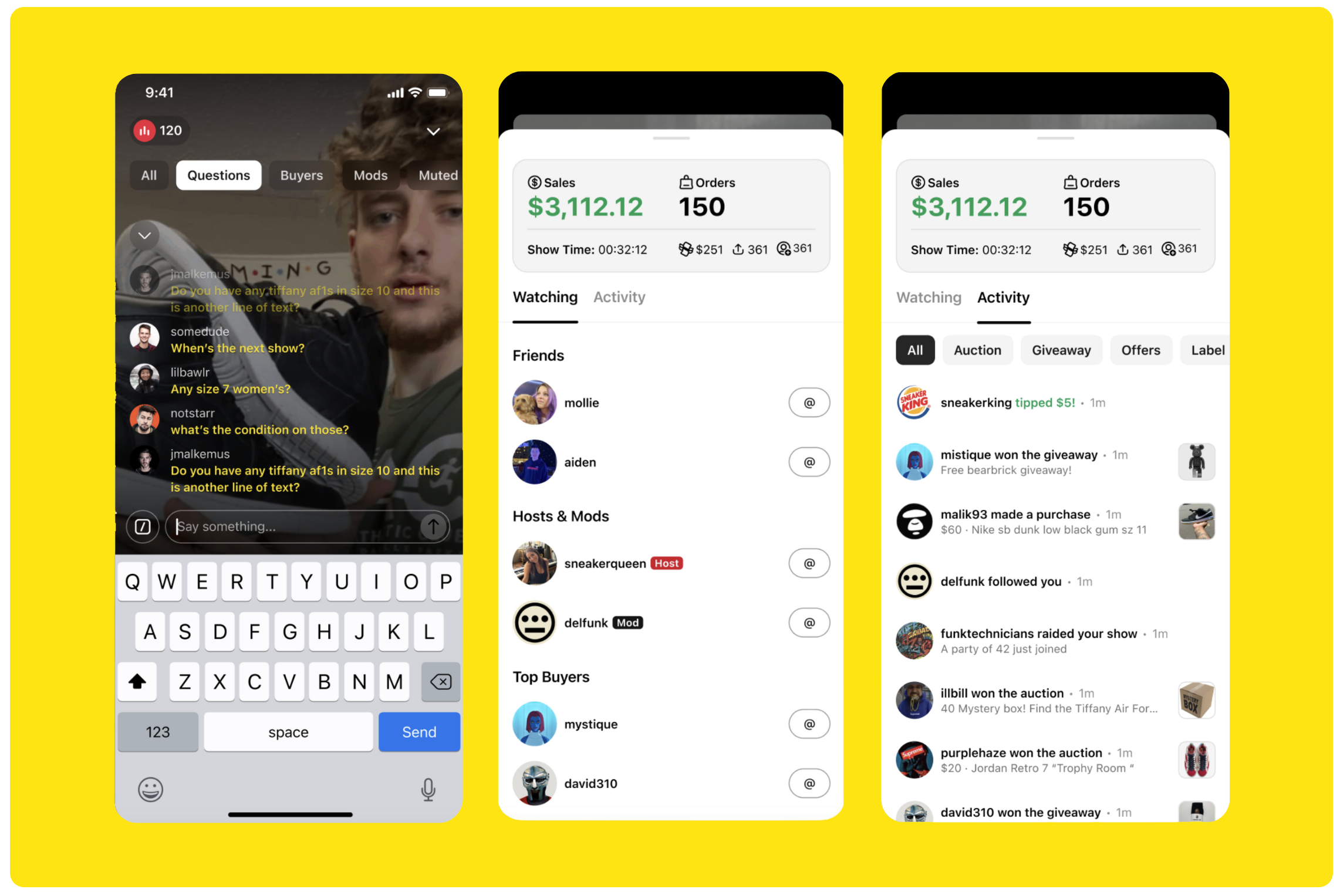
The sneaker community already understands resale culture, so the transition to live auctions feels natural. Some sellers run shows that look like sneaker conventions — stacks of boxes behind them and nonstop auctions.
Toys & Collectibles
This category is basically nostalgia turned into cash. Vintage toys, Funko Pop figures, anime collectibles, comic book merchandise — collectors love this stuff.
I’ve seen people buy entire bundles just because they grew up with the character.
Emotional buying is powerful. When someone in chat says “I had that toy when I was a kid,” there’s a good chance they’re about to place a bid.
Fashion & Vintage Clothing
Fashion might be the fastest-growing category lately. Vintage streetwear, thrift clothing, designer pieces — all of it shows up in Whatnot streams now.
Some sellers run rapid-fire auctions where every item starts at $1. Shirts, jackets, hoodies, one after another. It feels chaotic but surprisingly effective. People love the thrill of grabbing a deal live.
If you’re trying to decide what to sell on Whatnot, start by studying these categories. You’ll quickly notice where the crowds gather and where the money moves. Once you see the pattern, picking a niche becomes a lot easier.
Whatnot Traffic and Audience Size
One question people always ask before trying a new platform is simple: does it actually have traffic? Because let’s be honest — if nobody is watching, it doesn’t matter how good your products are.
The good news is that Whatnot already has a pretty massive user base, especially in the United States. The platform exploded in popularity during the pandemic and has kept growing ever since.
According to various industry reports, Whatnot has millions of registered users and thousands of live streams running every single day. If you open the app at almost any time, you’ll see hundreds of active rooms selling everything from Pokémon cards to vintage clothes. Some big streams easily pull in hundreds of viewers at once.
Even smaller sellers often have 20–50 people watching, which is honestly enough to move inventory quickly.
Another interesting thing I noticed is how sticky the audience is. People don’t just pop in for ten seconds and leave. They sit there watching auctions for an hour like it’s a live show.
I’ve seen viewers stay in a stream for two hours straight just to see what item comes next. That level of engagement is pretty rare compared to traditional ecommerce platforms.
So from a traffic perspective, the opportunity is definitely there. What matters more is how well you can hold attention once people enter your stream.
Because on Whatnot, traffic isn’t just about clicks — it’s about keeping a room full of people entertained long enough to make them start bidding.
The Basic Process of Making Money on Whatnot
When people first look at Whatnot, the platform can feel a little chaotic. Live auctions, fast bidding, hundreds of streams happening at the same time.
But once you break it down, the process of making money on Whatnot is actually pretty straightforward. It’s basically a loop: find products, go live, sell them, ship them out, repeat. The trick is getting comfortable with the rhythm.
Step 1: Choose a Niche and Source Products
The first step is deciding what you’re going to sell.
On Whatnot, niche matters a lot. Most successful sellers focus on a specific category like trading cards, sneakers, vintage clothing, or collectibles.
Once you pick a niche, the next job is sourcing inventory. Some people buy items from thrift stores, garage sales, or Facebook Marketplace. Others buy wholesale or work directly with brands.
The goal is simple — get products cheap enough so there’s room for profit during auctions.
Step 2: Apply for a Seller Account
Before you can start selling, you need to apply for a seller account on Whatnot. The platform reviews applications because they want to maintain a certain quality level for live sellers.
Usually you’ll submit some basic information about what you plan to sell.
Once approved, you’ll get access to the tools needed to schedule live streams and list products for auctions.
Step 3: Run Your Live Auctions
This is where the real action happens. You start a live stream, introduce the items you’re selling, and launch auctions for viewers to bid on.
Most sellers begin auctions at $1 to get the bidding started quickly. If the room is active, prices can climb fast. The energy of the stream plays a huge role here.
Some sellers talk constantly, hype the products, and keep the pace moving. Others run slower shows. You’ll figure out your own style over time.
Step 4: Ship Orders and Build Your Reputation
Once items sell, your job isn’t finished yet. You need to pack and ship orders quickly. Good shipping and reliable service are critical because Whatnot buyers pay attention to seller ratings.
The faster and smoother you deliver, the more trust you build with your audience. And on a platform built around repeat viewers, trust turns into future sales.
That’s basically the workflow. It’s not complicated, but it does require consistency. The more shows you run, the more familiar viewers become with you — and that’s when the real momentum starts building.
Final Thoughts
After spending time watching sellers, talking to people who run streams, and digging through the platform myself, one thing became very clear to me — Whatnot isn’t some mysterious money machine.
At the end of the day, it’s simply a marketplace where entertainment and selling collide. If you can hold people’s attention and move products, money naturally follows. If you can’t, the platform won’t magically save you.
What I like about Whatnot is that the barrier to entry is actually pretty low. You don’t need a massive warehouse, you don’t need a fancy studio, and you definitely don’t need millions of followers. A phone, a small pile of inventory, and the willingness to show up live is enough to get started.
I’ve seen people begin with twenty items on their desk and slowly turn that into a consistent side income.
Of course, the first few streams might feel awkward. You might talk to five viewers, maybe even zero. That’s normal. Every seller I’ve seen go big on the platform started there. The difference is they kept showing up, learning what the audience liked, adjusting their style, and gradually building a small group of regular buyers.
So if you’re serious about making money online, Whatnot is definitely a platform worth experimenting with. Start simple, pick a niche, run your first live auction, and see how the market reacts.
Sometimes the fastest way to learn isn’t reading another guide — it’s just hitting the “Go Live” button and figuring things out in real time.
And who knows — that random stream you start one evening might end up being the beginning of a surprisingly profitable little business.
FAQ
Do I need a big following to make money on Whatnot?
No. And this is the part most beginners don’t believe at first.
Whatnot is not Instagram. You’re not begging for likes — you’re running auctions. If your items are in a strong niche (cards, sneakers, vintage, collectibles) and you keep the pace moving, the platform can still send you viewers.
I’ve watched brand-new sellers with 0 “fans” pull 20–40 people into a room just because they listed the right stuff and started auctions fast.
How much money can a beginner realistically make?
It depends on inventory and consistency, not luck.
A realistic early target is covering your costs and learning the flow.
Some people make $50–$200 profit per show in the beginning. Others make less and basically pay “tuition” by making mistakes.
If you can run 2–3 shows a week and improve a little every time, you’ll be surprised how quickly it stacks. Just don’t expect day one to look like TikTok highlights. That’s how people get discouraged and quit.
What should I sell if I’m totally new?
Start with categories that already have buyers on Whatnot. Trading cards, sports cards, sneakers, toys/collectibles, and vintage fashion are the usual winners.
If you’re brand new, don’t overthink it — choose one niche and stick to it for 30 days.
The fastest way to fail is selling random stuff every stream. You’ll confuse the audience and the algorithm won’t know who to show you to.
Do I have to start auctions at $1?
You don’t have to, but there’s a reason sellers do it.
A low start price gets bids flowing, and bids create momentum. Momentum brings more bidders.
That said, if you’re selling higher-ticket items, you can set a minimum or start higher. The rule is simple: protect your margins, but don’t kill the energy.
If every auction feels “expensive” from the first second, people just sit there and watch… and watching doesn’t pay you.
What are the biggest beginner mistakes?
The top three I keep seeing:
(1) slow, boring streams with long gaps between items
(2) weak packaging/shipping that leads to refunds or bad ratings
(3) no pricing discipline — buying inventory too high and then hoping auctions magically save you.
Spoiler: they won’t. Treat it like a small business. Track what you paid, what it sold for, and what the fees/shipping cost you. Otherwise you’ll be “busy” and still broke. That’s the worst kind of hustle.
How do I get more viewers on my live streams?
Part of it is the platform, but most of it is you.
Schedule your shows, use clear titles (niche + what you’re selling), and start selling immediately when you go live. Don’t spend the first 10 minutes talking to yourself.
Also, keep your auctions moving — 15–30 second runs, back-to-back. Viewers can smell hesitation. The more confident and consistent you look, the more people stay and bid.
Is Whatnot still worth it in 2026?
Yes — but only if you treat it like a repeatable system. People still love live bidding, and collectors are not going away.
The “easy money” days are never permanent on any platform, but the sellers who win long-term are the ones who keep inventory flowing, keep shows consistent, and build trust with shipping and service.
If you’re willing to do the work, there’s still plenty of money moving around.