

A lot of people hear the phrase earn money by chatting with strangers and immediately think it sounds fake. I get it. The internet is full of overhyped side hustle garbage, and most of it falls apart the second you look at the details. But this one is different.
I’m not saying every platform is great, and I’m definitely not saying every method is worth your time. I’m saying there are real situations where talking to people online can turn into real money, if you understand what you’re actually being paid for.
Most beginners start by searching for Easy Ways to Make Money Online, and that’s where they get stuck. They bounce from surveys to random apps to low-quality gigs that barely pay enough for coffee.
I’ve seen that pattern too many times. The problem is not that people are lazy. The problem is they keep picking methods with no depth, no repeat customers, and no room to grow. Chat-based income is different because attention, advice, entertainment, emotional support, and simple human interaction all have value when the platform and audience are a good match.
And let’s be honest, not everyone wants to build a website, run ads, edit YouTube videos, or learn some technical skill from scratch. Some people are just better at talking. Some are good listeners. Some know how to keep a conversation moving without making it weird. That matters more than people think.
I’ve seen people waste months chasing complicated side hustles, while ignoring the fact that their real strength was sitting right there in front of them: they knew how to connect with strangers fast.
Funny enough, people often take seriously all kinds of weird online income ideas like Make Money by Watching Videos, but the idea of getting paid to chat still sounds strange to them. That always makes me laugh a little.
Watching videos is passive and low value in most cases. Conversation is different. If your words help someone feel entertained, understood, supported, or less confused, that interaction can be monetized in a lot of ways. Not every way is good. Not every platform is clean. But the opportunity is real.

So in this article, I’m going to break down the actual methods that exist, how they work, where the money comes from, and what kind of income you can realistically expect. No fake hype. No “quit your job tomorrow” nonsense. Just the real ways people are using chat, calls, live interaction, and online conversation to make money from strangers on the internet.
Video Chat Platforms
One way to earn money by chatting with strangers is through video chat platforms. Say what you want, but this model is very straightforward. You get on camera, talk to people, keep the conversation alive, and turn that attention into money. Sometimes the money comes from tips. Sometimes it comes from paid video replies, private calls, or custom fan interactions.
Either way, you’re getting paid because people want direct access, not because the platform is doing magic for you.
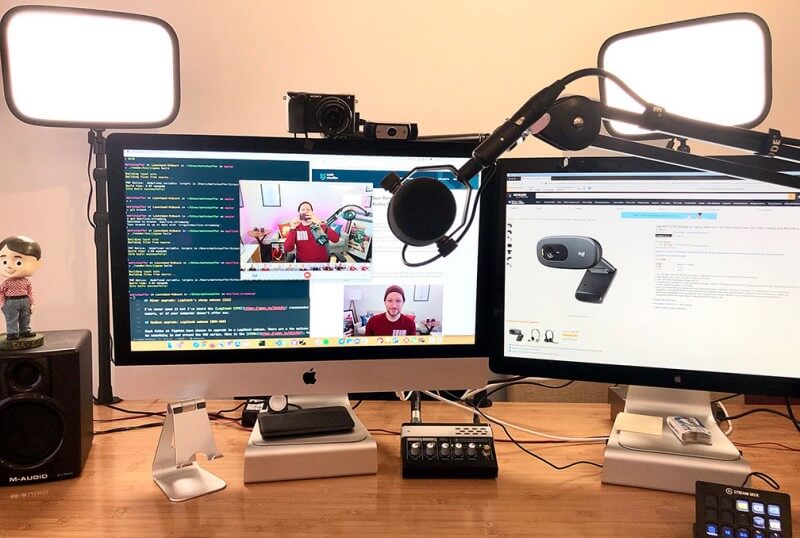
I’ve looked at enough online income models to tell you this: most people make this way harder than it needs to be. They think they need to be a celebrity or have some perfect studio setup. Not really.
What matters more is whether you can hold attention for five or ten minutes without sounding dead inside. If people enjoy talking to you, they stay longer. If they stay longer, they tip more, request more, and sometimes come back again. That’s where the money starts stacking.
Platforms like TipTalk fit this paid-interaction idea. You chat with strangers or fans through video, and they can tip you or pay for more direct access. The income side is pretty simple: short paid conversations, one-off interactions, or premium responses.
A beginner might only make a little here and there, maybe enough for coffee money at first. But if you get repeat users and know how to keep the energy up, a few hundred dollars a month is not some crazy fantasy. The people who treat it seriously usually do better than the people who just show up and wing it.
Cameo is a cleaner example because the monetization is more obvious. You can earn money by recording personalized videos, replying to fan requests, or doing private video calls. That means you’re not just “chatting.” You’re packaging your personality into something people are willing to pay for. And honestly, that small shift matters a lot.
On a platform like this, one person might charge under $20 for a simple interaction, while another might charge hundreds. So the income range is wide as hell. For some people it’s side money. For others, especially if they already have an audience or a strong character on camera, it can turn into real monthly income.
What I like about this method is that it doesn’t hide the business model behind fake complexity. You talk, people pay, platform takes a cut, and that’s the game. But let’s be honest, this is still a people business.
If you’re awkward, boring, slow, or you reply like a robot, the money dries up fast. If you know how to make people laugh, feel noticed, or feel like they got a real moment with you, that’s where this gets interesting. Not effortless money, but definitely one of the more human ways to make money online.
Social Media Live Streaming
Live streaming on social media is one of those online money methods that looks easy from the outside and messy as hell once you actually try it. You open TikTok Live, Instagram Live, or Facebook Live, start talking to people in real time, and the audience can support you through gifts, stars, tips, or paid community features. That’s the simple version.
The real version is this: if you can keep people watching, reacting, and feeling involved, money starts showing up. If your live is boring, dead, or awkward, nobody cares.
What I like about live streaming is that the monetization is tied directly to attention. You don’t need to wait three months for SEO traffic. You don’t need to build some complicated funnel on day one. You go live, you interact, and the audience tells you very quickly whether your content has value or not.
On TikTok, some creators get gifts during live sessions. On Facebook, viewers can send Stars. On Instagram, support can come through creator features tied to fan support and subscriptions. Different platform, same basic game: attention in, money out.
The way you make money here is not just “talking.” That’s where beginners get it wrong. You’re really running a mini show. Maybe you answer questions, react to comments, teach something, tell stories, review products, flirt a little, do challenges, or just have a strong personality people want to hang around.
I knew a guy who used to go live for about 90 minutes a night, four or five nights a week, mostly just reacting to trending topics and chatting with viewers. In the beginning, he was making almost nothing. Later, once people started recognizing him, he was pulling in a few hundred dollars a month just from live support and repeat viewers.
Income can swing wildly. A small creator might make $20 here, $50 there, then go quiet for a week and make nothing. That’s normal. Someone with a decent routine and a loyal audience might reach a few hundred to a couple thousand dollars a month when live streaming becomes part of their weekly system.
And if a creator already has strong engagement, a niche audience, or knows how to push viewers from live gifts into subscriptions, affiliate offers, or paid communities, the number can climb much higher. That’s why I don’t like giving people one fake average. This model doesn’t pay evenly. It rewards momentum.
To be honest, social media live streaming is one of the most honest online income models out there. The audience is right in front of you. Their reaction is instant. Their support is instant too. No hiding, no pretending, no “passive income” fantasy bullshit.
If people like your energy, your jokes, your advice, or even just the way you handle a room, you can absolutely make money from it. But if you go live with nothing to say and expect strangers to throw cash at you, that plan dies fast.
Online Chat Service Platforms
Not every get paid to chat platform works like social media. Some of them are much more direct. You log in, stay available, reply to strangers, and get paid based on time, messages, or premium interaction. That’s the whole business model. No brand deals, no algorithm drama, no pretending you’re building the next big creator empire.
You’re offering conversation, attention, and sometimes a more specialized kind of interaction people are willing to pay for.
Chat Recruit is a good example of how this model can branch out. It’s not just one simple chat box where you type a few lines and leave. The platform mixes phone chat, webcam chat, paid messages, and fan-style content. What that means in plain English is this: the money doesn’t come from one source.
You might get paid per minute on a call, make extra from replying to inbox messages, and add another layer of income from subscribers or repeat customers. I like that structure because it gives you more than one way to pull money from the same audience.
Then you’ve got FlirtBucks, which is more niche and more blunt about what it is. The platform is basically built around paid text and video chat in a flirtatious adult environment. Some people won’t like that. Fair enough. But from a money perspective, the model is very clear.
You get paid by the minute, and the platform even publishes rate ranges instead of hiding everything behind vague nonsense. That matters, because at least you can do rough math before wasting your time.
As for income, let’s be honest: this is not salary money on day one. A beginner who logs in inconsistently and treats it like a random side app might only make a little extra cash here and there.
But if you stay active, respond fast, build regulars, and understand what kind of conversations keep people engaged, the numbers can stack faster than people think. On platforms that pay by the minute, even a small difference in session length changes your income a lot. And once repeat users show up, the whole thing becomes much less random.
What I’ve noticed with these platforms is that they reward people who can handle conversation pressure without sounding fake. That’s harder than it sounds. You need patience, timing, and enough emotional control to keep the chat moving even when the other person is awkward, needy, annoying, or just plain weird.
If you can do that, this can become a real online income stream. If you can’t, the job starts feeling long as hell very quickly.
Paid Chat and Phone Services
Some platforms pay you more like a service worker than a creator, and honestly, that changes the whole game. You’re not sitting there waiting for random gifts from strangers every night.
You’re showing up to chat, answer questions, help people, and get paid because your time solves a problem. That’s a very different kind of online income, and for some people, it’s way more stable.
The Chat Shop is a good example of this model. It works more like a remote live chat job than a content platform. You’re basically helping businesses talk to their customers through live chat, answering questions, guiding leads, and sometimes helping close sales.
So the money comes from doing actual chat support work, not just “being interesting” on camera. I like this setup for people who are good at typing, quick with replies, and don’t want to build some personal brand just to make a few hundred bucks online.
Paltalk is a bit different. I wouldn’t describe it as a classic hourly chat job. It’s more of a voice and video chat community where money can come from gifts, premium rooms, room traffic, and even affiliate commissions if you bring in paying users.
In plain English, that means you can build a chat room around a topic, attract regulars, get engagement, and then monetize the attention. So yes, the money still comes from chatting with strangers, but the structure is more community-based than payroll-based.
Income depends heavily on which side of this model you’re on. With a company-style platform like The Chat Shop, the income tends to feel closer to normal remote work. It’s not crazy money, but it’s predictable enough to matter.
With a platform like Paltalk, casual users might make almost nothing at first, while active room owners or people who are good at building recurring traffic can turn that attention into side income through gifts, ads, or referrals. Say what you want, but one model pays for consistency, and the other pays for momentum.
I’ve said this before and I’ll say it again: a lot of people chase “easy chatting money” and then get slapped by reality. If you hate typing fast, dealing with repetitive questions, or carrying awkward conversations, these platforms will wear you out. But if you’re patient, responsive, and know how to keep a conversation moving without sounding like a dead robot, this category can absolutely turn into real online income. Not flashy. Not sexy. But real enough that I wouldn’t ignore it.
Emotional Support Services
This category sounds warm and simple on the surface, but once you look closer, the money part gets a lot less obvious.
A lot of emotional support platforms are built around helping people feel heard, not around paying every listener who shows up. That matters. Because if you come into this space thinking it works like a regular paid chat app, you’re probably going to be disappointed pretty fast.
7 Cups is the best-known example here, and it’s also where a lot of people get confused. The platform connects users with trained listeners for emotional support through online chat. That part is real.
People do go there to talk about stress, loneliness, anxiety, breakups, family problems, and all the messy stuff they don’t want to dump on friends. But the ordinary listener role is volunteer-based, which means you’re giving time, not collecting a paycheck. So if your goal is to make money directly as a casual listener, this is not the cleanest path.
Now, that doesn’t mean there’s zero income in this space. It just means the money usually sits on the professional side, not the casual side. Once licensed therapists, counselors, or paid mental health providers enter the picture, the model changes. At that point, you’re no longer just chatting with strangers.
You’re offering a regulated service, and that’s why the income can be much better. The difference is huge. One side is volunteer emotional support. The other side is paid care.
I always tell people to separate these two worlds before wasting their time. If you simply enjoy listening and want experience, platforms like 7 Cups can help you build that skill. But if you’re writing about making money online, you need to be honest: most beginners are not going to sign up and suddenly get paid to comfort strangers.
That’s not how this niche usually works. In many cases, the direct income only starts when credentials, licensing, or a paid provider role gets involved.
So yes, emotional support services do involve talking to strangers online, and yes, money can exist in that ecosystem. But compared with livestreaming, paid chat, or creator-style platforms, this path is more restricted and a lot less beginner-friendly. Good for experience, good for understanding people, but not the first option I’d push if someone’s main goal is fast online income.
Adult Chat Services
Let’s be honest, adult chat services are one of the most direct ways to make money by talking to strangers online. There’s no need to pretend it’s some mysterious business model. On platforms like LiveJasmin and Chaturbate, the money usually comes from live interaction, tips, private sessions, and paid fan attention.
You go live, people join, some watch for free, and the ones who want more direct access are the ones who start paying. That’s the game.
What makes this category different is how brutally clear the monetization is. You’re not waiting for ad revenue to maybe show up next month. You’re usually earning from tokens, gifts, or paid private time.
Some creators also build recurring income through fan clubs or premium content on top of live chat. So the money is not just in “being online.” It’s in moving people from casual viewers into paying users. Say what you want, but that conversion gap is where the real income lives.
LiveJasmin is often seen as the more premium side of this space. The platform leans into private interaction and higher-spending users, which means fewer people can still turn into meaningful revenue if they actually spend.
Chaturbate, on the other hand, is more open and traffic-heavy, so the model often feels faster, noisier, and more token-driven. One is more premium-room energy, the other is more volume-and-tipping energy. Different setup, same truth: attention only matters when it turns into payment.
As for income, this is where people either get too excited or completely delusional. A new creator can make almost nothing at first. That part is real. If you don’t know how to hold a room, manage boundaries, or build repeat users, your earnings can stay low for a while.
But once someone figures out consistency, show structure, timing, and how to turn free traffic into private spenders, the numbers can move a lot. For some people, it stays side income. For a much smaller group, it becomes serious monthly money.
I’d still say this with zero sugarcoating: this path has more risk than the “cute” online money methods people like to romanticize. You have age-verification rules, location restrictions, payment issues, privacy concerns, and the very real possibility of your content being recorded or reshared.
So yes, the money can be strong, sometimes very strong. But if someone goes into this thinking it’s easy cash with no downside, they’re setting themselves up for a bad time.
Q&A Platforms
If you already know something useful, getting paid to answer questions can be one of the cleanest ways to make money by chatting with strangers online.
This is not random small talk. This is paid problem-solving. Someone has a legal issue, a tax question, a tech problem, or a medical concern, and they want a real answer fast. If you can provide that answer, platforms like JustAnswer turn that knowledge into income.
What I like about this model is that it feels more practical than a lot of personality-based chat income methods. You’re not relying on looks, entertainment value, or whether strangers feel like tipping you today. You’re getting paid because your knowledge saves people time, stress, and sometimes expensive mistakes.
JustAnswer works by letting customers pay for access to verified experts, and the experts choose which questions to answer in their specialty. That structure matters because it keeps the income tied to actual expertise, not just attention.
The money side is pretty straightforward, even if the exact numbers vary by category. JustAnswer has said experts are paid through the platform monthly, and older official Q&A pages on the site explain that experts can start at 25% of what the customer pays for their first accepted answers, move to 50% after establishing themselves, and in some cases earn up to 75% with strong performance.
So yes, you’re still talking to strangers, but you’re doing it inside a system where speed, credibility, and answer quality directly affect what you make.
As for income, this is where people need to stay realistic. A beginner with weak credentials or slow response times is not going to walk in and print money. But if you’re in a strong category and can answer consistently, the income can become meaningful.
JustAnswer has publicly stated that some legal experts can earn around $2,000 to $7,000 per month, which tells you the upside exists. That said, I would still treat this as skill-based income, not easy money. The people who do well here usually already know their field and can respond without wasting time.
There’s one more thing people miss: getting accepted is not automatic. JustAnswer says experts are verified by a third party and may need to show work history, education, licenses, certifications, or business ownership depending on the category.
So this is not the best path for someone who wants “get paid to chat” with zero background. But if you’ve already got real expertise, this can be one of the most honest online income models in the whole list.
Language Exchange Platforms
If you speak English clearly and you don’t mind talking to strangers from different countries, language platforms can be a very practical way to make money online. I like this model because the value is obvious.
You’re not trying to “go viral,” and you’re not begging for tips like some random livestream. You’re helping someone improve their speaking, confidence, and real-world communication. That’s why people are willing to pay for it.
Cambly is probably the easiest example to understand. The platform basically pays you to talk with non-native English speakers. Some students just want casual conversation practice. Others want help with pronunciation, job interviews, travel English, or speaking more naturally.
The money comes from time. You get paid for the minutes you actually spend talking, which makes the business model very clean. No complicated funnel, no weird upsell nonsense, just time in, money out.
Now, let’s be real about the income. Cambly is simple, but it’s not high-ticket. The official pay rate is around $10.20 an hour for regular Cambly and $12 an hour for Cambly Kids, so nobody should walk into this thinking they’ve found some hidden gold mine.
It’s more like dependable conversation money. Good for beginners, good for flexible side income, but not the kind of platform where most people get rich. If you treat it like a low-friction entry point, it makes sense. If you expect magic, you’ll get disappointed fast.
italki feels different because you’re not just a conversation partner there. You can be a tutor, a teacher, or a specialist in a certain kind of lesson. That changes the earning ceiling a lot. Instead of getting paid a fixed platform rate, you usually set your own lesson price and build your own student base over time. That sounds great, and honestly, it can be great.
But it also means you have to earn trust, collect reviews, show up consistently, and slowly raise your rates without scaring students away. This is where some people make $10 to $15 an hour in the beginning, while stronger teachers with repeat students can push much higher.
What I’ve noticed is that these platforms reward patience more than hype. A lot of people quit too early because the first month looks slow and kind of depressing. That’s normal.
Language learners stick around when they feel comfortable, understood, and actually improving. So if you can keep conversations natural, correct people without sounding annoying, and make students feel progress, this category can turn into steady online income. Not flashy money, but honest money.
Paid Text Chat Services
Not everyone wants to jump on camera or deal with live calls, and honestly, I get it. Text chat is cleaner, quieter, and a lot easier to start with.
You sit there, open a few chat windows, reply fast, keep the conversation moving, and get paid because someone on the other side wants attention, answers, support, or just somebody to talk to. Say what you want, but for a lot of people, this is a much lower-stress way to make money online.
The money usually comes from a few basic models. Some platforms pay per minute of active chat. Some pay per message, per session, or based on how long you keep the user engaged. And on certain platforms, the real money is not even in the first reply. It’s in getting the other person to come back again, upgrade to premium chat, or stay longer inside the paid conversation.
That’s why I always say this is not just typing. It’s retention. If people leave after two lines, your income stays small. If they stay for 15 or 20 minutes, the math starts looking very different.
What surprises a lot of beginners is how much this model depends on speed and tone. You do not need to write like a novelist. You need to reply quickly, sound natural, and avoid killing the energy. I’ve seen people who type fast but chat like a dead customer service bot. That usually goes nowhere.
Then I’ve seen others who keep things simple, ask the right follow-up question, and make the other person feel heard. Those people tend to do better, even if their grammar is not perfect. That’s the part many people miss.
As for income, I’d be careful with fake hype here. If you’re inconsistent, slow, or only log in once in a while, this may just turn into small side money. Maybe enough for groceries, gas, or a couple of bills.
But if you treat it seriously, work regular hours, and get good at handling multiple conversations without falling apart, a few hundred dollars a month is very realistic. In stronger niches or on better-paying platforms, some people push well beyond that. The gap gets big fast, and it usually comes down to one thing: can you keep people chatting without sounding fake?
What I personally like about paid text chat is that the barrier to entry is lower than most “talk to strangers for money” methods. No camera pressure. No weird lighting setup. No pretending to be some influencer. Just your words, your timing, and your ability to manage attention. It sounds simple, and in a way it is. But simple does not mean easy. If your replies are dry as hell, this category will humble you very quickly.
Making Money Through Gaming Chat
If you already spend hours playing online multiplayer games, this path is actually more practical than a lot of people think. You’re not just playing for fun anymore. You’re turning your game knowledge, communication skills, and ability to guide other players into something people will actually pay for.
A lot of beginners don’t realize this, but in gaming, “chatting” itself can have value when the conversation helps someone rank up, win more, or stop making the same dumb mistakes over and over.
The money usually comes from a few different angles. Sometimes you get paid for one-on-one coaching sessions. Sometimes you get paid to review gameplay, explain strategy, or queue up with someone and guide them live through voice chat.
And sometimes it’s not even formal coaching at first. It starts with helping people in Discord, in-game voice, or private messages, then slowly turns into paid sessions once people realize you actually know what you’re doing. That’s how a lot of these small online income streams begin. Not with some fancy funnel, just with trust.
I’ve noticed this category rewards clarity more than raw skill. Of course, being good at the game matters. But being cracked at a game and being able to teach it are two different things. Some players are monsters mechanically and still explain things like absolute garbage.
Then there are people who may not be top-tier pros, but they can break down positioning, timing, decision-making, and mistakes in a way that actually helps someone improve. Those are the people who tend to make money consistently.
Income here can be all over the place. If you’re brand new and nobody knows you, this might just be side money at first. Maybe a few small sessions here and there, enough to cover a couple of bills or your gaming setup upgrades.
But once you build a niche, collect a few reviews, and get repeat students, the numbers start looking better. You’re no longer just “playing games.” You’re selling guidance, confidence, and faster progress. That’s why some people stay stuck at low prices, while others slowly turn this into a solid monthly side income.
What I like about this method is that it feels less fake than a lot of online hustle nonsense. You already know the game. You already spend time in the space. Now you’re just packaging that skill in a smarter way.
But yeah, let’s not romanticize it too much. If you have no patience, can’t explain things clearly, or get annoyed every time a beginner asks a basic question, this will get old real fast. Still, for the right person, this is one of the more believable ways to make money by talking to strangers online.
Final Thoughts
After looking through all these methods, you can probably see the pattern now. Earn money by chatting with strangers sounds casual on the surface, but once you break it down, each path pays for something different. Some platforms pay for attention. Some pay for expertise. Some pay for emotional labor. Some pay for speed, patience, and the ability to keep a conversation alive without sounding fake.
That’s why I always say this is not really about chatting. It’s about what your conversation is worth in the market.
What trips people up is that they treat all of these platforms like they’re the same. They’re not. If you’re good on camera, live streaming or video chat might fit you better. If you type fast and don’t want to show your face, paid text chat is cleaner. If you already have real knowledge in law, tech, language learning, or some other field, Q&A platforms and tutoring platforms make a lot more sense.
Say what you want, but the money usually gets better when your chat has a clear reason behind it.
I’ve seen too many people chase the idea of easy money and then quit the second they realize strangers can be awkward, boring, needy, or just plain exhausting. That part is real. Some days the conversations flow. Some days it feels like pulling teeth for twenty bucks. But that’s exactly why most people never make much with this stuff. They underestimate the human side of the job.
If you can stay patient, keep your energy stable, and make people feel heard or helped, you already have an edge over a lot of people.
So if you actually want to make this work, don’t try ten methods at once like a headless chicken. Pick one model that matches your personality, your skill set, and your tolerance level. Test it for a few weeks. Watch where the money is really coming from. Then adjust. That’s the boring advice, I know. But boring advice is usually what makes money, while hype just burns time.
At the end of the day, this is one of the few online income models where talking like a real human being still matters. And honestly, that’s not a bad thing. In a world full of fake automation, recycled content, and dead robotic replies, being able to hold a real conversation is still valuable. Maybe more valuable than people think.
Frequently Asked Questions
1. Can you really make money by chatting with strangers online?
Yes, but not in the fantasy way a lot of people imagine.
You usually get paid for something behind the conversation, such as entertainment, emotional support, tutoring, coaching, customer service, or premium access. The chat itself is only the surface. The real money comes from the value you bring to that interaction.
2. How much money can beginners realistically make?
It depends on the platform, your communication skills, and how consistent you are.
Some beginners may only make a little extra side money at first, while others can build a few hundred dollars a month if they stay active and improve quickly.
If you already have a useful skill, like teaching, coaching, or answering technical questions, your income potential is usually higher.
3. Do I need to show my face to make money this way?
No. Some methods require video, but many do not.
Paid text chat, customer support chat, Q&A platforms, and certain tutoring or coaching options can all work without showing your face. If you are better at typing than being on camera, there are still plenty of ways to make this model work.
4. What skills matter most for this kind of work?
The biggest ones are communication, patience, speed, and the ability to keep a conversation flowing naturally.
If you are in a knowledge-based category, then expertise matters too. A lot of people think chatting for money is easy, but the people who do well are usually the ones who know how to make the other person feel understood, helped, or entertained.
5. Which platforms are best for beginners?
That depends on your personality.
If you like casual conversation, language platforms or text-based chat platforms may be easier. If you have professional knowledge, Q&A platforms can be a better fit. If you are comfortable on camera, live streaming or video chat platforms may give you more room to grow.
The best platform is usually the one that matches your strengths, not the one with the loudest hype online.
6. Is this a stable full-time income?
For most people, it starts as side income, not full-time income.
Some platforms can become stable after you build experience, repeat customers, or a strong audience, but that usually takes time.
If you need something predictable right away, service-based chat jobs and support roles are often more stable than creator-style platforms that depend on gifts and tips.
7. Are there any risks I should know about?
Yes. The biggest risks depend on the platform.
They can include low pay, unstable traffic, account bans, privacy concerns, difficult users, and payment delays.
Some categories also have legal, tax, or age-related rules. That is why it is important to read platform policies carefully before you invest too much time into any one method.
8. What is the smartest way to get started?
Start with one method, not five.
Pick the option that fits your personality and skill set, test it for a few weeks, and see how people respond. Watch your earnings, your energy level, and how easy it is to get repeat users or repeat customers.
That gives you real data, which is a lot better than guessing.