

A lot of people look at Twitch and think it’s just a place where gamers hang out and play video games all day.
But if you spend enough time around the platform, you’ll realize something pretty quickly — there’s real money moving around there. Some streamers are doing it full-time, others treat it like a side hustle. Either way, Twitch has quietly become one of the many ways people Make Money on Social Media.
I remember when I first started paying attention to the streaming world. At the beginning it looked simple: someone playing a game, chatting with viewers, maybe reacting to funny moments. But the more I watched, the more I noticed the monetization happening behind the scenes.
Subscriptions popping up, donations coming in, sponsors mentioned during streams — the whole thing started looking less like a hobby and more like a small online business.
Now let’s be honest for a second. Not every Twitch streamer is making a fortune. Most people start small, with maybe five viewers in the chat and a microphone that sounds like it came from a 2008 laptop. But the interesting thing is that once a channel starts growing, multiple income streams can appear at the same time.
Some people even set personal goals like trying to Make $100 Online in One Day through streaming. It doesn’t always happen overnight, but when subscriptions, donations, and affiliate commissions combine, hitting numbers like that suddenly becomes very possible.
So in this guide, I’m going to walk through the real ways streamers make money on Twitch. No hype, no “get rich quick” nonsense — just the practical methods creators are using every day.
Twitch Ads
Once your channel becomes a Twitch Affiliate or Partner, you unlock something simple but important — the ability to run ads during your livestreams. Twitch will automatically insert ads at certain times, and you can also trigger them manually.
The first time I noticed this feature, I honestly thought, “Alright, maybe this can at least buy me a few coffees.” It’s not the sexiest money on the platform, but it’s part of the Twitch ecosystem.
Here’s roughly how the math works. Twitch ads usually pay somewhere around $2 to $10 CPM, meaning you earn that amount per 1,000 ad views.
So if your stream generates about 10,000 ad impressions, you might make roughly $20 to $100. Yeah, I know — it’s not exactly Lamborghini money. But once you stream consistently and build a regular audience, those little payouts start showing up more often than you’d expect.
I remember watching another small streamer who had maybe 40–50 average viewers. Every time he took a quick break — grabbing water, adjusting his mic, whatever — he’d manually trigger a short ad break. The chat barely noticed because he wasn’t doing anything interesting at that moment anyway. But those ads kept generating a bit of background revenue during every stream. Smart move.
That said, Twitch ads really start making sense when your channel gets bigger.
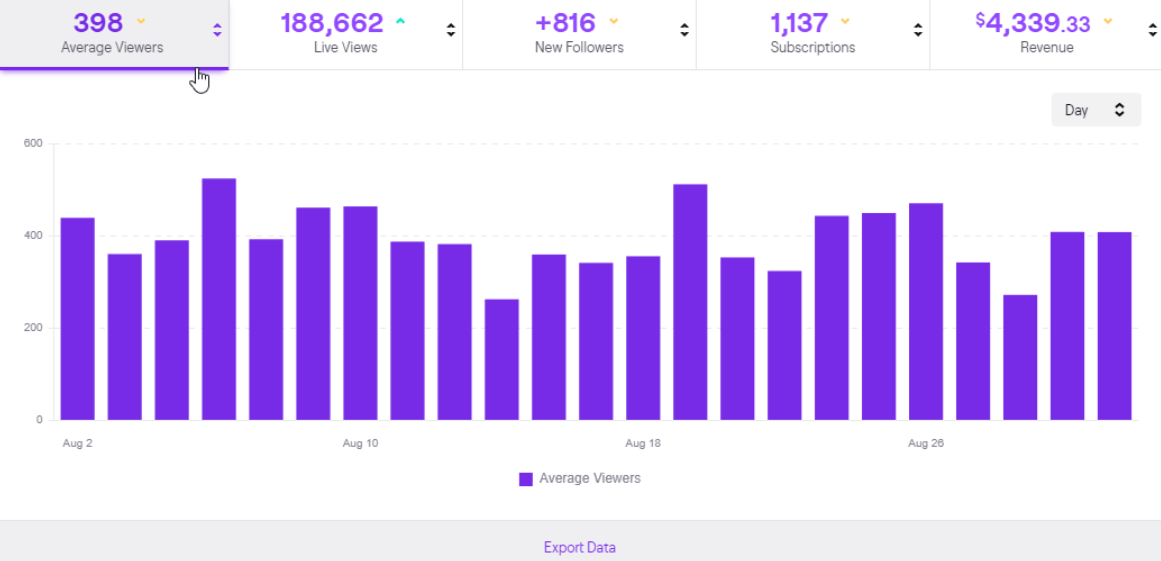
If you’re pulling hundreds or thousands of viewers per stream, the ad impressions scale up fast. You’ll notice the difference in your dashboard pretty quickly. Smaller channels can still earn from ads, but the real money usually shows up once the audience grows.
So yeah, ads won’t make you rich overnight. But they’re like the quiet little engine running in the background while you focus on building your stream. Ignore them completely, and you’re basically leaving free money on the table.
Twitch Subscriptions
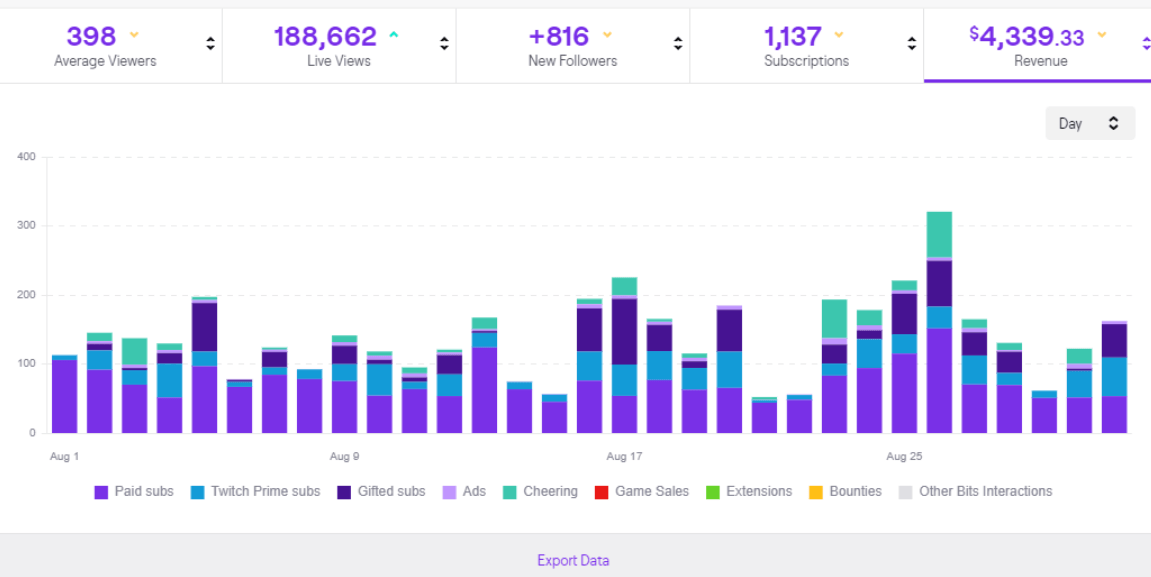
If you ask me what the real backbone of Twitch income is, I’d say subscriptions.
Once your channel becomes a Twitch Affiliate or Partner, viewers can subscribe to your channel monthly. The most common tier is $4.99 per month. Twitch usually splits the revenue with you. Affiliates typically keep about 50%, while some Partners can get closer to 60–70% depending on their deal.
Now here’s where things get interesting. On paper the numbers look small, but once you do the math, it starts making sense.
Let’s say you have 100 people subscribing at the basic $4.99 level. After the 50% split, you’re making roughly $250 per month. That’s just from subscriptions alone. No ads, no donations, no sponsors. Just people supporting your channel.
I remember watching a mid-sized streamer who averaged maybe 80 viewers. Nothing crazy. But his community was loyal as hell. At one point he had around 200 subscribers.
That’s roughly $500 a month just from subs. Not life-changing money, sure, but combine that with donations, ads, and affiliate links, and suddenly the whole Twitch thing starts looking like a real income stream.
The thing about subscriptions is that they’re predictable. Ads depend on views. Donations depend on mood. But subs are recurring. If people like your content, they’ll keep renewing month after month. You’ll open your dashboard and see the same usernames popping up again.
That’s when you realize you’re not just streaming to strangers anymore — you’re building a community.
And honestly, when that first batch of subscriptions comes in, it hits different. It’s basically viewers saying, “Yeah, I enjoy your content enough to pay for it.” That moment feels pretty damn good.
Bits Donations
Another way streamers make money on Twitch is through something called Bits. If you’ve spent any time watching streams, you’ve probably seen those little animated icons popping up in chat. That’s viewers sending Bits as a tip.
Think of it as Twitch’s built-in donation system. Instead of sending money through PayPal or some external tool, the whole thing happens directly inside the platform.
The math behind it is actually pretty simple. 1 Bit equals about $0.01 for the streamer. So if someone sends 100 Bits, that’s about one dollar. If someone drops 1,000 Bits, that’s roughly $10. It doesn’t sound like a lot at first, but during an active stream, those Bits can come in pretty fast.
I once watched a late-night stream where the chat got a little crazy. One viewer started sending 500 Bits every time the streamer lost a match. Then another viewer joined in and started matching the tips. Within maybe 30 minutes the guy had received over 5,000 Bits. That’s about fifty bucks just from people messing around in chat. Not bad for half an hour of gameplay.
What I like about Bits is the interaction. When someone sends Bits, Twitch highlights the message in chat. Everyone sees it. The streamer reacts, the chat reacts, and suddenly the stream has this fun little moment happening live. It’s not just money — it’s part of the entertainment.
Say what you want, but those colorful Bits popping up during a stream can turn into a pretty decent side income once your community gets active.
Donations
Let’s talk about something a lot of Twitch streamers quietly rely on — direct donations. Instead of using Twitch’s built-in systems, many streamers set up donation links through tools like PayPal or Streamlabs.
Viewers can click a link under the stream and send money directly to the streamer. No complicated platform rules, no waiting for payouts. It goes straight to your account.
The big advantage here is pretty obvious: Twitch doesn’t take a cut.
When someone sends $5, $10, or even $100, most of that money goes directly to you (minus small payment processing fees). Compare that to subscriptions where Twitch keeps a large percentage. Say what you want, but streamers love money that lands in their account immediately.
I remember watching a streamer during a late-night stream who had a donation goal bar on screen. The goal was something simple — upgrading his microphone. Throughout the stream people started sending small tips: $5 here, $10 there, then suddenly someone dropped $50. By the end of the night he had hit the goal. The whole chat was celebrating like they had just unlocked an achievement.
That’s the interesting thing about donations. Sometimes it’s small support from loyal viewers. Other times someone randomly drops a big tip just because they enjoyed the stream. You really never know when it might happen. And when it does, it can turn a regular stream into a pretty profitable night.
For a lot of mid-sized Twitch streamers, donations quietly become one of their main sources of income.
Affiliate Marketing
A lot of Twitch streamers don’t realize this at first, but affiliate marketing can quietly become a solid income stream.
The idea is simple. You place affiliate links in your Twitch profile, stream description, or chat commands. When viewers click those links and buy something, you earn a commission. It’s one of those things that runs in the background while you’re streaming.
The products people promote are usually very related to gaming. Think about things like gaming headsets, keyboards, mice, streaming gear, or even software tools. Some streamers also promote VPN services, game credits, or digital subscriptions.
A very common starting point is Amazon Associates, because pretty much everyone already buys stuff there anyway.
I remember a streamer I used to watch who constantly got questions like, “What keyboard are you using?” or “What mic is that?” Instead of answering the same question over and over, he just added an Amazon affiliate link in his channel panel. Anyone curious could click it. Turns out a lot of viewers actually bought the same gear. He was making commissions without even trying too hard.
Some affiliate programs pay small percentages, maybe around 5%. Others can go much higher. VPN programs like NordVPN, for example, sometimes offer commissions close to 30% or even 50% depending on the promotion.
If you have an audience that trusts your recommendations, those numbers can add up surprisingly fast.
Say what you want, but once viewers start asking about the tools or products you use, affiliate links become one of the easiest ways to turn that curiosity into real money.
Sponsorship
Once your Twitch channel starts getting consistent viewers, brands will eventually show up. Sometimes it’s an email. Sometimes it’s a random message on Twitter or Discord.
Basically, companies want you to promote their product during your stream. This is what people call sponsorships, and for many streamers, it’s where the real money starts showing up.
The types of sponsorships you see on Twitch are usually pretty predictable. Gaming companies promoting new titles, esports gear like keyboards or headsets, VPN services, software tools, or even energy drink brands.
If your content fits their audience, they’ll pay you to mention the product, show it on stream, or run a short promotion during your broadcast.
The pay varies a lot depending on your audience size. Smaller streamers might get somewhere around $50 to $300 for a sponsored stream or product mention. Mid-sized channels can earn $500 to $3,000 per campaign. And once you get into the bigger league with thousands of viewers, sponsorship deals can easily go above $10,000. Yeah… that’s the part most people don’t see when they first start streaming.
I once saw a streamer do a sponsored VPN promotion during a live stream. It wasn’t anything complicated. He just talked about the product for about two minutes and dropped a promo code in the chat. The whole segment was super casual. But that short promotion was reportedly worth over a thousand dollars.
So yeah, sponsorships are basically brands paying for your audience’s attention. Build a loyal community first, and eventually those offers start coming in.
Selling Merchandise
At some point, many Twitch streamers realize something interesting: viewers actually like buying stuff from creators they follow. That’s where merchandise comes in. Instead of just streaming games, you start selling branded products like T-shirts, hoodies, mugs, hats, or even mousepads with your logo or catchphrases on them.
The cool thing is you don’t even need to manage inventory anymore. Platforms like Streamlabs Merch or Teespring handle most of the work. They print the products, ship them to customers, and deal with customer service. Your job is basically just designing the merch and letting your audience know it exists.
I remember a streamer who had a funny catchphrase he kept saying during streams. Chat loved it. Eventually he printed that phrase on a hoodie and listed it through Streamlabs. Within a few weeks viewers started posting photos wearing it in Discord. The merch became like an inside joke for the community.
Some bigger streamers take things further and build full stores using Shopify. That gives them more control over branding, pricing, and product variety. But honestly, even simple merch like a $25 hoodie or a $15 mug can bring in steady side income once your community grows.
What’s funny is that merch isn’t just about the money. For a lot of viewers, wearing a streamer’s merch feels like being part of the club.
Selling Digital Products
Here’s something a lot of Twitch streamers overlook: digital products.
Once you’ve been streaming for a while, you’ll notice viewers asking the same questions over and over. How do you get better at this game? What settings do you use? What streaming setup are you running? Instead of answering the same thing 100 times, some creators turn that knowledge into products.
Digital products can take many forms. Some streamers sell game guides or strategy tutorials. Others create stream overlays, LUT packs, or stream templates that beginners can use to improve their channel visuals. If you’re good at a specific game, you can even sell detailed walkthroughs or training guides.
The nice part is that digital products scale ridiculously well. You create the product once, upload it to a platform like Gumroad, Payhip, or even Etsy, and people can keep buying it again and again. No shipping, no inventory, no headaches. Honestly, compared to physical merch, it’s a lot less hassle.
I once saw a streamer selling a simple OBS overlay pack for around $15. It included a few stream scenes, alerts, and some basic graphics. Nothing super fancy. But beginners loved it because it saved them hours of setup. That product ended up selling hundreds of copies.
When your audience trusts you, even small digital products can turn into a surprisingly steady income stream.
Patreon / Membership
Another way some streamers monetize their audience is by building a paid membership community. Instead of relying only on Twitch subscriptions, they create a separate membership program using platforms like Patreon.
The idea is simple: viewers who really enjoy your content can pay a small monthly fee to get extra perks.
The pricing is usually pretty straightforward. Many creators offer tiers like $5 per month, $10 per month, or sometimes $20 per month. The higher the tier, the more benefits members receive. It’s basically like creating a small VIP club around your content.
The perks vary depending on the creator. Some streamers run private Discord communities where members can chat directly with them. Others offer exclusive livestreams, early access to videos, or special game tutorials that aren’t available to the public.
The goal is to give paying members something extra that casual viewers don’t get.
I once saw a gaming creator who offered strategy breakdowns for competitive matches through his membership page. His public streams were entertaining, but the paid members got deeper tutorials explaining tactics and decision-making. A lot of serious players joined just for that extra insight.
When done right, membership programs turn your audience into a real community — and that can become a very stable monthly income.
YouTube Repurpose
One trick a lot of smart streamers use is repurposing their Twitch content for other platforms.
Think about it — a typical Twitch stream can last two, three, even five hours. Inside those long streams there are always funny moments, crazy plays, or useful tips. Instead of letting that content disappear after the stream ends, creators clip the best parts and upload them elsewhere.
The most common places are YouTube, TikTok, and YouTube Shorts.
A 10-second funny reaction, a clutch gameplay moment, or a helpful tutorial clip can easily become a short video. Sometimes these clips get way more views than the original Twitch stream. You’ll suddenly reach thousands or even millions of people who never knew your Twitch channel existed.
I remember seeing a small streamer blow up just because one funny clip went viral on TikTok. The original Twitch stream had maybe 30 viewers. But the clipped video hit over 500,000 views. After that, a bunch of people started showing up in his Twitch chat saying they found him from TikTok.
And once those videos are on YouTube, the monetization options multiply. You can earn from YouTube ads, place affiliate links in the video description, or even land sponsorship deals if the channel grows big enough. In other words, the same content starts generating money from multiple platforms.
Honestly, if you’re already streaming for hours, not turning those highlights into extra content is just leaving opportunities on the table.
Coaching
If you’re actually good at a game, coaching can become a surprisingly solid way to make money from your Twitch audience.
I’m not talking about being a world champion or esports pro. Sometimes just being much better than the average player is enough. Viewers often want to improve, and many of them are willing to pay for personal guidance.
The structure is usually simple: one-on-one sessions where you analyze gameplay, review mistakes, or teach strategy. Rates can vary depending on your experience and reputation. Some coaches charge around $20 per hour, others go for $50 per hour, and high-level players can easily reach $100 per hour or more.
I once saw a streamer who specialized in a competitive shooter game. During his streams he would occasionally review viewer gameplay clips. Eventually people started asking if he offered private coaching. Within a few months he had a small list of regular students paying around $40 per hour just to review matches and improve positioning.
There are several places where streamers offer these services. Platforms like Fiverr or Metafy are popular for listing coaching sessions. Some creators even organize lessons directly through their Discord community. It’s surprisingly informal sometimes — a voice call, screen sharing, and a bit of strategy discussion.
When your audience respects your skill, turning that expertise into coaching sessions is actually one of the most direct ways to monetize it.
Crowdfunding
Sometimes viewers don’t just watch your stream — they actually want to support what you’re doing. That’s where crowdfunding platforms come in.
Instead of paying for a specific product or subscription, people simply contribute money to help keep the channel running. Think of it as community support for your streaming journey.
There are a few popular platforms streamers use for this. Ko-fi, Buy Me a Coffee, and Patreon are probably the most common ones.
The setup is pretty simple: you create a page, link it in your Twitch profile, and viewers who enjoy your content can send small contributions whenever they want.
I once saw a streamer who used Buy Me a Coffee to fund a new PC upgrade. He explained during a stream that his current setup was struggling to run certain games smoothly. A few viewers started contributing five or ten dollars. Then someone dropped fifty. Within a couple of weeks, the community had basically paid for half the new build.
The interesting part about crowdfunding is that it doesn’t feel like traditional monetization. There’s no hard sales pitch involved. People contribute because they want to support the creator, not because they’re being sold something.
And when that kind of support starts showing up, you realize your audience isn’t just watching — they’re rooting for you.
Final Thoughts
When people first look at Twitch, they usually think it’s just about playing games and chatting with viewers. But once you really start digging into the platform, you realize there are a lot of different ways to make money. Ads, subscriptions, donations, affiliate links, sponsorships — it’s basically a whole ecosystem built around content and community.
The mistake many beginners make is thinking they need thousands of viewers before they can earn anything. Honestly, that’s not always true. I’ve seen smaller streamers making money with a combination of subscriptions, donations, and affiliate links long before their channels became big.
You’ll notice that once a loyal community forms, the income streams start stacking together.
Of course, Twitch is not a “get rich quick” platform. Anyone who tells you that is probably selling you something. Building a real audience takes time, consistency, and a bit of personality. Some days your stream might feel quiet, and that’s just part of the process. But if you keep showing up and improving your content, the growth usually follows.
And here’s the interesting part — many successful creators don’t rely on just one income source. They mix multiple methods: subscriptions, donations, sponsorships, digital products, and even YouTube clips.
Once those pieces start working together, Twitch can turn from a hobby into a legitimate online business.
So if you’ve ever thought about streaming, don’t overthink it too much. Start small, experiment with different monetization options, and focus on building a community that actually enjoys hanging out with you.
FAQ: Making Money on Twitch
Can you make money on Twitch?
Yes, you can. But let me be blunt — Twitch isn’t a magic ATM.
You make money when you unlock monetization (Affiliate/Partner) and when your content is good enough that people stick around.
Ads and subs are the obvious ones, but donations, affiliate links, sponsorships, and digital products are where it starts to feel like a real business. You’ll notice most successful streamers don’t rely on just one method.
How much money do you make on Twitch?
It depends on your audience size, how often you stream, and what monetization stack you’re using.
For example, ads are often around $2–$10 CPM, so 10,000 ad impressions might land you roughly $20–$100.
Subscriptions are easier to model: if you have 100 Tier 1 subs, you’re usually looking at about $250/month after a 50% split. Add donations, affiliate commissions (often 5%–50%), and a sponsor deal here and there, and the total can swing wildly from week to week.
How many viewers to make money on Twitch?
To earn directly through Twitch (Ads/Subs/Bits), you typically need to become a Twitch Affiliate first.
The baseline requirements are more about consistency than going viral — think a small but steady audience, regular streams, and a bit of watch time.
But here’s the part people miss: you can make money with a modest viewer count if your viewers are loyal. Ten “real” viewers who subscribe or donate beats 100 random lurkers who never spend a dime.
What’s the fastest way to start earning on Twitch?
The fastest path is usually to aim for Affiliate, then focus on subscriptions + donations first.
Ads are fine, but they’re small money unless your views are high. Donations are often the first “wow” moment because they can hit your account quickly. And if you already have gear/software people ask about, drop affiliate links right away.
Do Twitch ads pay well?
Honestly? Not really for small channels.
Ads are usually “background money” until you have bigger traffic. Once your stream starts generating serious ad impressions, it can become meaningful. But if you’re starting out, ads should be a side dish — your main focus should be growing retention and building a community that will subscribe and support you.
Is Twitch still worth it in 2026?
It can be, but only if you treat it like a system, not a lottery ticket.
Stream consistently, clip your best moments for YouTube/TikTok, and build multiple income streams. If you’re only relying on Twitch ads, you’ll probably get frustrated.
If you stack subs, donations, affiliates, sponsorships, and repurposed content, Twitch can still be a very real online income channel.