

Most of us already spend a ridiculous amount of time listening to music every day. It’s on while we work, while we drive, while we clean the house, and sometimes even when we’re trying to fall asleep.
At some point I started wondering — if music is already part of daily life, is there any way to actually make money from it?
The idea of getting paid to listen to music sounds almost too good to be true at first. I remember thinking it had to be one of those fake “internet money tricks.”
But after digging around for a while, I realized there are actually dozens of legitimate ways people are earning small — and sometimes surprisingly decent — income just from listening to songs, reviewing tracks, or promoting music online.
Some of these methods are perfect for people who just want quick side income. I’ve seen plenty of online communities where people share ways to Make Money Fast as a Woman, and a few of the strategies in this guide show up in those conversations pretty often. They’re simple, flexible, and don’t require any special skills.
Others work especially well for people who spend a lot of time at home. For example, some Stay at Home Moms to Make Money Online use music surveys, playlists, or YouTube channels as small side projects they can manage between daily routines. The barrier to entry is low, which makes these methods appealing for beginners.

In this guide, I’m going to walk through some of the most interesting ways people are getting paid to listen to music. Some of them are small side hustles. A few can grow into real online income streams if you take them seriously.
Either way, if music is already part of your day, you might as well see what opportunities are hiding behind those headphones.
Music Review Websites
One of the easiest ways to Make Money Listening to Music Online is through music review websites.
The idea is simple: independent artists upload their songs, and platforms pay regular listeners to give honest feedback. You listen to a track, rate it, and write a short review. That’s it. No fancy skills required.
If you already spend hours listening to Spotify or YouTube, this is basically getting paid to do something you were already doing for free.
The first time I tried this, I signed up for a platform called SliceThePie. At the beginning the pay wasn’t huge—usually around $0.05 to $0.15 per review—but once the system trusts your feedback quality, the payout gradually increases.
The process is straightforward: listen to at least 90 seconds of a song, write a few sentences about the vocals, melody, or production, and submit your review. After doing a few dozen reviews, you start to understand what the platforms want: real opinions, not lazy one-line comments.
I’ve also seen people treat this like a small side hustle routine. A friend of mine does it while working from home. He’ll review 20 to 30 songs in the evening while watching Netflix. On average he makes around $5 to $10 a night. Not life-changing money, sure, but it’s one of those “low brainpower” tasks that can stack up over time.
Some popular music review platforms include SliceThePie, Playlist Push, Music Xray, and HitPredictor.
They all work slightly differently, but the core idea is the same: artists want real listeners to react to their music before releasing it publicly. And if you’re someone who enjoys discovering new songs before everyone else does, this method can actually be pretty fun.
Apps That Pay You to Play Music
Another way people make a little extra cash from music is through “playback reward” apps.
The concept is almost stupidly simple: open the app, let it stream music stations in the background, and earn points while the music plays. You don’t have to review anything, write feedback, or even pay attention.
Say it bluntly — the platform just wants active listeners, and they’re willing to throw a few cents your way for it.
I tested one of these apps a while back called Current Rewards. At first I honestly thought it was bullshit, because the earnings looked tiny. But after running it for a few days while working on my laptop, I realized the trick: it’s passive. You just leave the music running on your phone while doing other stuff. Over time those points stack up and can be redeemed for PayPal cash or gift cards.
The payout obviously isn’t huge. Most people earn somewhere between $5 and $20 per month depending on how often they run the app. But here’s the thing people miss — it’s basically background income.
I’ve seen people on Reddit run these apps while driving, cooking, or even sleeping with the phone plugged in overnight.
Some well-known apps in this space include Current Rewards, Mode Earn App, RadioEarn, and Cash4Minutes. They all operate on a similar system: music streams generate points, points convert into small payouts.
It won’t make you rich, not even close. But if music is already playing in your daily life anyway, you might as well let it earn a few dollars on the side.
Promoting Songs Through Spotify Playlists
If you want something that actually has real money potential, Spotify playlist promotion is where things get interesting.
The idea is simple: build a popular playlist, grow followers, and artists will literally pay you to include their songs. Independent musicians are constantly trying to get exposure on Spotify, and playlists are one of the fastest ways to get streams.
I didn’t fully understand how big this market was until a few years ago when I saw someone on a music marketing forum talking about it.
The guy had a workout playlist with around 80,000 followers. Every week artists were paying him between $30 and $100 just to place their track for a few days. Do the math — a few placements a week easily turns into several hundred dollars a month.
What’s interesting is that you don’t even need to be a music expert. You just need to curate playlists people actually want to listen to. Think things like “Gym Motivation,” “Deep Focus,” or “Late Night Drive.” If the playlist keeps growing and Spotify’s algorithm starts recommending it, the follower count can snowball surprisingly fast.
There are also platforms that connect playlist owners with artists looking for promotion. Sites like Playlist Push, SubmitHub, and Groover basically act as middlemen.
Artists submit their songs, and playlist curators decide whether to feature them. If you accept a track and add it to your playlist, you get paid.
Now obviously this isn’t an overnight thing. Building a playlist with thousands of followers takes time. But once it reaches critical mass, the dynamic changes. At that point artists start approaching you instead of the other way around.
And honestly, getting paid just to organize music you like… that’s one of the cooler side hustles out there.
Promoting Music on TikTok and Instagram Reels
Short-form video platforms completely changed the way music spreads online. A single TikTok clip can turn an unknown song into a global hit overnight. Because of that, record labels and independent artists are constantly looking for people who can help push their songs on TikTok or Instagram Reels.
If your content uses their track and it starts getting views, you can actually get paid for that exposure.
I remember noticing this when scrolling through TikTok a couple years ago. The same song kept popping up in different videos — gym clips, travel edits, even random comedy posts.
Later I found out it wasn’t random at all. A lot of those creators were being paid small promotion fees to use that song in their videos. Usually it’s something like $20 to $50 for a small creator, and a lot more if the account has serious reach.
The funny part is you don’t need to be a musician or a music critic. What matters is your ability to create engaging short videos.
People are doing this with lifestyle clips, workout videos, cooking content, even pet videos. You pick a trending sound, build your video around it, and suddenly that song starts getting traction. When a track goes viral, the artist benefits — and that’s exactly why they’re willing to pay for the promotion.
There are also platforms that connect artists with content creators. Sites like Playlist Push, Groover, and some influencer marketplaces occasionally run TikTok music campaigns. Creators receive a brief explaining the song and the type of content the artist wants. Then they post videos using the track.
Of course, not every video blows up. Most don’t. That’s just how social media works. But the upside is pretty obvious: if you already enjoy posting TikTok or Reels content, adding sponsored music into the mix is one of the simplest ways to monetize your audience.
Running a YouTube Music Channel
Another path that a lot of people overlook is starting a YouTube music channel.
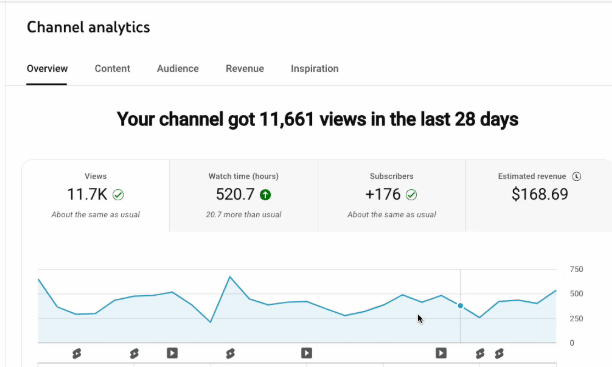
Instead of reviewing songs or promoting artists directly, you simply upload music collections that people enjoy listening to. Think about those long “lofi study music,” “deep focus,” or “relaxing piano” videos that run for one or two hours. Millions of people play those videos while studying, working, or sleeping.
I actually started paying attention to this space when I noticed how insane the view numbers were. Some of those channels upload a single 2-hour music mix and it racks up hundreds of thousands of views every month. Once a channel reaches the YouTube Partner Program requirements — 1,000 subscribers and 4,000 watch hours — those views start turning into ad revenue.
One example I remember seeing was a small channel focused on “night driving music.” Nothing fancy. Just dark city visuals with a chill playlist running in the background. The videos were getting around 50,000 to 100,000 views each. With YouTube ads, that kind of traffic can easily bring in a few hundred dollars a month.
What’s interesting is that the content itself doesn’t have to be complicated. Many creators simply combine royalty-free music with simple visuals or looped animations. Once the video is uploaded, it can keep generating views for years. That’s the part people underestimate — music videos tend to have very long shelf lives on YouTube.
Of course, it takes time to grow an audience. But once a few videos start ranking in YouTube search or getting recommended by the algorithm, the traffic can become surprisingly consistent.
At that point, your channel basically turns into a passive music streaming machine.
Music Recommendation Affiliate Programs
Another angle that a lot of people miss is affiliate marketing in the music space.
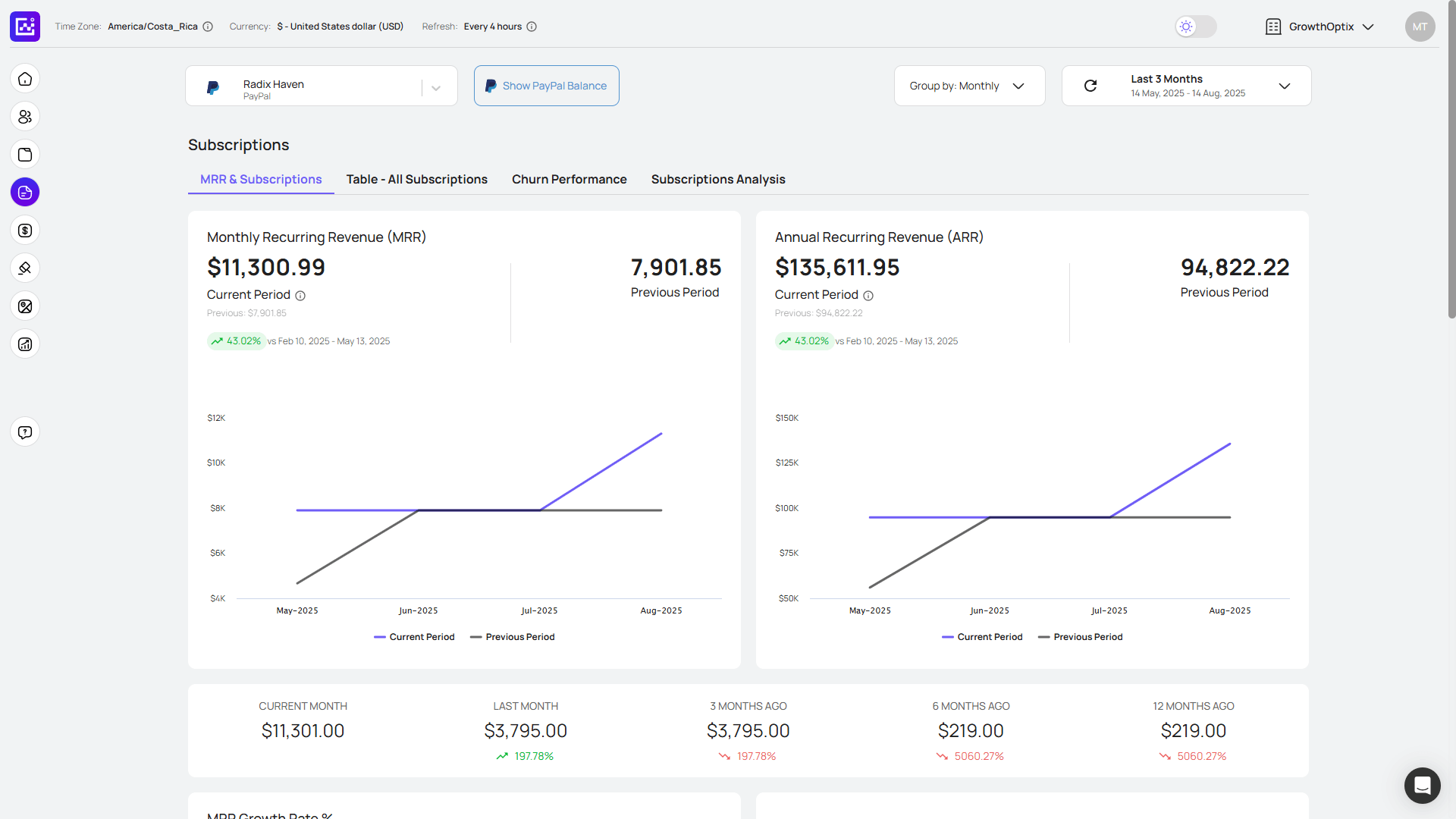
Instead of getting paid directly for listening to songs, you recommend music platforms and earn a commission when people sign up.
Services like Spotify, Amazon Music, Apple Music, and even smaller streaming apps all run affiliate programs. If someone joins through your link, you get paid.
The interesting part is where the traffic comes from. A lot of creators build simple content around music discovery — things like “Best Workout Playlists on Spotify,” “Top Relaxing Music Apps,” or “Music Streaming Services Compared.”
When someone reads that content and clicks your referral link, the platform tracks the signup and sends you a commission.
I remember seeing a niche blog that focused entirely on productivity music. The site had articles about “focus music for studying” and “background music for coding.” Pretty simple content, honestly.
But the owner was recommending Spotify Premium and Amazon Music in those articles. According to an interview he shared, the site was making a few hundred dollars a month just from affiliate referrals.
You’ll notice something interesting when you look at how people consume music online: they’re always searching for recommendations. New playlists, better streaming apps, tools for discovering new artists. That search behavior creates a lot of opportunities to insert affiliate links naturally.
Of course, affiliate income depends heavily on traffic. A single blog post won’t magically make money. But once you have multiple articles, videos, or social posts recommending music services, the commissions can start stacking up quietly in the background.
Music Survey and Research Panels
Another lesser-known way to get paid to listen to music is through music survey panels.
These are research platforms used by record labels, radio stations, and marketing companies to test songs before they go mainstream. Instead of writing a long review like on music feedback sites, you usually listen to short clips and answer quick survey questions.
The process is actually pretty simple. A typical survey might play 10 to 20 song snippets — sometimes just 20 or 30 seconds each. After listening, you rate things like how catchy the song is, whether you’d skip it on the radio, or if you’d add it to a playlist.
From the industry’s perspective, this feedback is extremely valuable because it helps them decide which songs to promote heavily.
I remember signing up for one of these platforms years ago out of pure curiosity. The pay wasn’t crazy, maybe $1 to $3 for a short survey.
But the interesting part was hearing songs months before they showed up on radio stations or Spotify charts. You start realizing that a lot of the “hit songs” were actually tested with audiences long before the public ever heard them.
Some well-known platforms in this category include Research.fm, HitPredictor, and occasionally survey sites like InboxDollars or Survey Junkie that run music-related studies. The availability of surveys can be inconsistent — some weeks you’ll see several, other weeks none at all.
That’s why I usually treat music surveys as occasional bonus income rather than a full side hustle. When a survey appears, you take it, listen to some new music, answer a few questions, and collect a couple of dollars. Not bad for something that takes ten minutes.
Music NFT and Web3 Listening Tasks
This one is a bit more experimental, but it’s worth mentioning because the Web3 world has been trying to reinvent the music industry for a while.
Some blockchain-based music platforms reward users with tokens for listening to songs, discovering new artists, or participating in community tasks. In other words, instead of getting paid in dollars, you’re earning crypto.
I remember when a friend first told me about this space. My initial reaction was basically, “Alright… this sounds like another crypto experiment.”
And honestly, sometimes it is. But after looking deeper, I realized a few platforms were actually building interesting ecosystems where fans could support artists directly while earning small token rewards.
Platforms like Audius and Sound.xyz are good examples. They’re trying to create decentralized music streaming systems where listeners play a bigger role. Some tasks involve listening to newly released tracks, voting on songs, or engaging with artists’ communities. In return, users may receive platform tokens or early access to music NFTs.
The earnings can vary a lot depending on the project and the token value. Sometimes the rewards are small, sometimes early adopters end up benefiting if the platform grows. That unpredictability is part of the Web3 space — some projects disappear, while others suddenly gain traction.
So if you’re curious about crypto and enjoy exploring new music platforms, this can be an interesting experiment. Just don’t treat it like guaranteed income. Think of it more as exploring a new corner of the internet where music and blockchain are trying to collide.
Music Streaming Farms (A Gray Area)
Alright, let’s talk about something a bit controversial: music streaming farms. This isn’t exactly the cleanest method out there, but if you spend enough time around online money communities, you’ll eventually hear about it.
The basic idea is running multiple devices or accounts that continuously stream certain songs in order to generate artificial plays.
Why would anyone do this? Because streaming numbers directly affect an artist’s visibility and revenue.
More plays can mean higher rankings on Spotify or Apple Music, which then leads to more real listeners. Because of that, some artists or promoters are willing to pay people to help boost those numbers.
I once saw a discussion about this on a marketing forum where someone described running dozens of cheap smartphones connected to WiFi, each looping playlists all day. It basically looked like a small server rack… but instead of servers, it was phones playing music nonstop. The guy claimed he was getting paid to generate streams for independent artists.
Now obviously there are risks here. Streaming platforms constantly fight against artificial plays, and accounts can get banned if the activity looks suspicious. So this is definitely a gray-area tactic, and not something I’d recommend building a serious long-term business around.
Still, it’s part of the ecosystem. Once you start digging into how the music industry works online, you realize there’s a whole underground layer of growth hacks, traffic manipulation, and promotional tricks happening behind the scenes.
Running a Music Recommendation Website
Another method that doesn’t get talked about enough is building a music recommendation website. Instead of creating content on social media, you publish articles that help people discover new songs, playlists, or artists.
Think of topics like “Best Music for Studying,” “Top Spotify Playlists for Workouts,” or “Relaxing Music for Deep Focus.” People search for this kind of stuff all the time.
What surprised me when I first looked into this space was the search volume. Thousands of people every month are typing things like “music for concentration” or “best songs for studying” into Google. That’s a lot of traffic for something that’s basically just curated music lists.
I once stumbled across a niche blog that did nothing but recommend background music for different situations — coding, meditation, workouts, even coffee shop vibes.
The site wasn’t fancy at all. Just simple articles embedding Spotify playlists and YouTube videos. But because the topics were evergreen, those pages kept bringing in traffic month after month.
Once you have visitors coming in, monetization becomes pretty flexible. Some sites run display ads, others promote music streaming services through affiliate links, and some even sell playlist placements for artists. In other words, the website becomes a hub connecting listeners, artists, and music platforms.
Of course, building a site takes time. You’re not going to publish three articles and suddenly get thousands of readers. But if you consistently publish useful music discovery content, search traffic can slowly build up. And once it does, the site can generate income quietly in the background.
Starting a Music Reaction or Review Channel
Another route that’s become surprisingly popular is running a music reaction or review channel.
Instead of just listening privately, you turn your reactions into content. Platforms like YouTube and TikTok are full of creators recording themselves hearing songs for the first time, breaking down lyrics, or reacting to new releases.
The reason this works is simple: people love seeing genuine reactions. When a new song drops, fans are curious about how others respond to it. That’s why “first time hearing” videos often pull in a lot of views. You don’t need expensive equipment either — many creators start with nothing more than a webcam, headphones, and basic editing.
I once watched a small channel where the creator reacted to classic rock songs from the 80s and 90s. The guy admitted he had never listened to those bands before, so every video was a genuine first-time reaction. Somehow that authenticity made the channel addictive to watch. Within a year he had built an audience of hundreds of thousands of subscribers.
Once a channel starts getting traction, the monetization options open up quickly. YouTube ad revenue is one piece of it, but creators also earn through sponsorships, Patreon memberships, and sometimes direct support from their audience.
What I find interesting about this model is that it blends entertainment with discovery. You’re basically getting paid to share your opinion about music — and if your personality connects with viewers, that alone can turn into a real online income stream.
Music Tasks on Microtask Platforms
Another method that occasionally pops up is completing music-related tasks on microtask websites.
These platforms host thousands of small online jobs posted by marketers, app developers, and sometimes music promoters. The tasks are simple — listen to a track, like a song, leave a comment, or follow an artist.
The first time I saw this kind of task was on a microtask platform where someone was paying users to listen to a song on YouTube and leave a short comment.
The instructions were very straightforward: open the link, listen for at least one minute, write a natural comment, and submit proof. The payout was small, usually somewhere around $0.20 to $1 per task.
At first glance it may seem like pocket change, and honestly… it kind of is. But these tasks are designed to be quick. Most of them take two or three minutes to complete. If someone spends an hour running through multiple tasks, the earnings can add up a little faster than you might expect.
Some platforms where these music-related microtasks appear include Microworkers, RapidWorkers, and Picoworkers. Marketers use them to boost engagement for songs, music videos, or new artist accounts.
I wouldn’t call this a serious side business, but it can be an easy way to earn a few extra dollars here and there. Especially if you’re already browsing the internet and don’t mind doing a few quick tasks while listening to music.
Earning Money from Music Royalties
This one is a completely different angle compared to the other methods on this list. Instead of getting paid for listening or promoting songs, you can actually earn money by owning a piece of a song’s royalties.
In simple terms, when a song is played on Spotify, YouTube, radio, or even in a movie, the rights holders receive a small payment. If you own part of that royalty stream, you get a cut every time the music is played.
I first learned about this model when I saw investors discussing music catalogs online. Some artists sell portions of their song rights in exchange for upfront cash. Buyers then collect the royalties over time.
Platforms like Royalty Exchange and SongVest have made this process more accessible, allowing regular investors to participate in music royalties that used to be controlled mostly by big record labels.
A while ago I read about someone who bought a small share of royalties from a country music song that was moderately popular on streaming platforms. It wasn’t a massive hit or anything. But because the track kept getting steady plays every month, the owner was receiving consistent royalty payments. Not huge money, but enough to prove that the model works.
The interesting thing about music royalties is how long they can last.
A good song doesn’t disappear after a year. People keep streaming it for decades. Think about how often old classics from the 80s or 90s still show up in playlists today. Every time those songs play, someone is earning a tiny slice of that revenue.
Of course, buying music royalties involves risk and research, just like any other investment. But it’s one of the few ways where simply listening to music around the world can generate passive income for the people who hold the rights.
Listening to Music During Live Streams
Live streaming is another surprisingly simple way people turn music into income. Instead of recording videos or writing reviews, you just go live and listen to music together with your audience.
Platforms like Twitch, YouTube Live, and even TikTok Live have entire communities built around this kind of casual music streaming.
The format is pretty relaxed. A streamer might play songs requested by viewers, react to new releases, or just keep music running while chatting with the audience. The interesting part is that people often join these streams not just for the music, but for the interaction. It feels more like hanging out in a digital room where everyone shares the same playlist.
I once saw a Twitch streamer who ran a “lofi listening room” every evening. Nothing complicated — just chill background music, a webcam, and a chat window. But the stream ran for several hours every night, and regular viewers kept showing up. Over time, that consistency turned into subscriptions and donations.
Once a small community forms around the stream, monetization starts happening naturally. Viewers can subscribe to the channel, send tips, or support the streamer through memberships. Some creators also partner with music promotion campaigns or share affiliate links to playlists and streaming services.
Of course, live streaming requires a bit of personality and patience. You’re not just playing music — you’re building an audience that enjoys spending time in your stream. But if you already like discovering songs and chatting with people online, it can be a surprisingly fun way to make money.
Starting a Music Blog
Another classic way to make money in the music space is running a music blog.
Instead of just sharing songs with friends, you turn your music discovery habit into written content. People search online for things like “new indie music,” “best songs this month,” or “hidden Spotify gems,” and a blog can capture that traffic.
I realized how big this opportunity was when I started digging into search data. Thousands of people every day are looking for new music recommendations, artist stories, or curated playlists. If your blog shows up in those searches, suddenly your personal music taste becomes a traffic source.
What’s interesting is that a music blog doesn’t have to look like a giant media website.
I once came across a small blog run by one guy who simply posted weekly music picks. Each article had embedded Spotify playlists and short commentary about why the songs were worth listening to. Over time those posts started ranking on Google and bringing in steady visitors.
Once the traffic is there, monetization becomes pretty flexible. Many music blogs run display ads, promote streaming services through affiliate programs, or collaborate with artists who want exposure for new releases. Some even sell sponsored posts for album launches.
Building a blog obviously takes patience. But if you genuinely enjoy discovering music and sharing your thoughts, the content comes naturally. And when those articles keep getting read months or years later, that’s when the blog quietly turns into a long-term online asset.
Final Thoughts
After digging into all these methods, you’ll probably notice something interesting. Getting paid to listen to music is real, but it doesn’t always look the way people expect.
Some methods pay a few dollars here and there, like surveys or reward apps. Others, like building playlists, running a music blog, or starting a YouTube channel, can actually grow into something much bigger if you stick with it.
When I first started exploring online income ideas, I thought making money from music sounded almost too good to be true. I mean, come on — listening to songs and getting paid? It felt like one of those internet myths.
But the deeper I looked, the more I realized that the music industry is huge, and there are tons of small opportunities hidden inside it.
You’ll also notice a pattern: the methods that require the least effort usually pay the least.
Listening to music for surveys might earn you a couple of dollars. But if you build something around music — a playlist, a YouTube channel, or a niche website — that’s where the real money potential starts showing up.
So if you’re someone who already spends hours listening to music every week, it might be worth experimenting with one or two of these ideas. You don’t need to try all fifteen methods. Just pick something that feels natural and start there. Sometimes the best side hustles come from things you were already doing for fun anyway.
And honestly, if you’re going to spend time listening to music… you might as well get paid for it.
FAQ
Is it actually real to get paid to listen to music?
Yes, it’s real — but you need to understand what you’re getting paid for.
Most platforms aren’t paying you just because you “pressed play.” They pay for feedback (reviews), engagement (playlist promotion), research data (surveys), or attention (reward apps).
If a site promises insane money for “just listening,” that’s usually a red flag.
How much money can I realistically make?
It depends on the method.
Reward apps and surveys are usually small money — think a few dollars to maybe $20 a month if you’re consistent. Playlist promotion, YouTube music channels, and music websites can make a lot more, but those require time and building an audience.
The difference is simple: quick methods pay less; scalable methods pay more.
Do I need to be a musician or have music knowledge?
Not really.
For reviews, you just need to be able to write a clear opinion. For playlists, you need good taste and consistency. For YouTube or blogging, you need basic content skills. You don’t need perfect music theory — you need execution.
Most people lose here because they overthink it and never start.
Which methods are best for beginners?
If you want easy entry, start with music review sites, reward apps, and survey panels. They’re simple and don’t require an audience.
If you want higher earning potential, start building a Spotify playlist or a small music blog early. Even if you’re a beginner, time in the game matters more than “being ready.”
Can I do this from any country?
Some platforms are global, but many pay better (or only accept users) in the U.S., Canada, U.K., and a few other regions.
If you’re outside those countries, you might see fewer tasks or lower payouts. The workaround is to focus on methods that don’t depend on platform eligibility, like blogging, playlists, YouTube, or affiliate marketing.
Is “streaming farms” stuff safe?
Short answer: it’s risky and not clean.
Streaming platforms actively detect fake plays and can ban accounts.
If you’re trying to build long-term income, don’t anchor your plan on gray tactics. There are enough legit methods in this article to make money without playing that game.
How do I avoid scams in this space?
Use common sense. Avoid platforms that ask you to pay upfront, demand weird personal info, or promise huge income for zero effort.
Also, watch how they pay — PayPal and reputable gift cards are safer than “we’ll pay you later.” Start small, test payouts, and don’t waste months on a platform that never cashes out.
What’s the fastest method vs the best long-term method?
Fastest is usually surveys and reward apps because you can start today and get small payouts quickly.
Best long-term is building assets: Spotify playlists, YouTube channels, and music websites/blogs. Those can keep making money even when you’re not actively working, which is the whole point.